What to Expect During a Panic Room Retrofit in an Existing Villa

Comparing Standard Doors vs. High-Security Villa Entrance Doors

The Psychology of Luxury Safes: Security, Status, and Peace of Mind
Luxury residences today are defined by more than premium finishes and expansive layouts. Increasingly, they are designed around resilience: the capacity to protect occupants, maintain comfort, and function reliably under stress. Within this shift, the modern panic room has taken on a new role. It is no longer treated as a concealed bunker used only in rare emergencies. In many villas and penthouses, it has become a high-performance room that serves daily life as much as it serves crisis scenarios, often alongside integrated luxury home safes Dubai solutions that support discreet asset protection.
At a fundamental level, a panic room remains a protective environment. It is built with reinforced walls, armored doors, controlled access systems, and independent air management. Yet the most sophisticated installations now extend beyond pure security. These rooms are routinely planned as quiet studies, acoustic retreats, children’s safe rooms, and private wellness spaces sanctuaries that protect not only from external threats, but also from noise, dust, and the environmental pressures of modern city and desert living.
Market estimates indicate that integrated systems combining artificial intelligence, multimodal biometrics, and predictive maintenance typically range from AED 100,000 to AED 500,000. Advanced configurations that incorporate robotics, layered redundancy, and predictive climate control can reach significantly higher budgets. For owners of high-value residences, the logic is direct: this is not merely protection spending. It is an investment in safety, continuity, and long-term property value.
From Emergency Shelter to Everyday Function
For decades, panic rooms were understood as single-purpose spaces entered only when something had already gone wrong. That model is rapidly fading. High-end homeowners increasingly expect protective rooms to deliver everyday utility, not just emergency readiness.
A common application is the secure home office. With acoustic isolation, controlled access, and stable connectivity, the panic room becomes a high-trust work environment for private calls, sensitive documents, and uninterrupted focus. Another emerging use is as a children’s room, particularly in residences where storm events, power disruptions, or security concerns are part of risk planning.
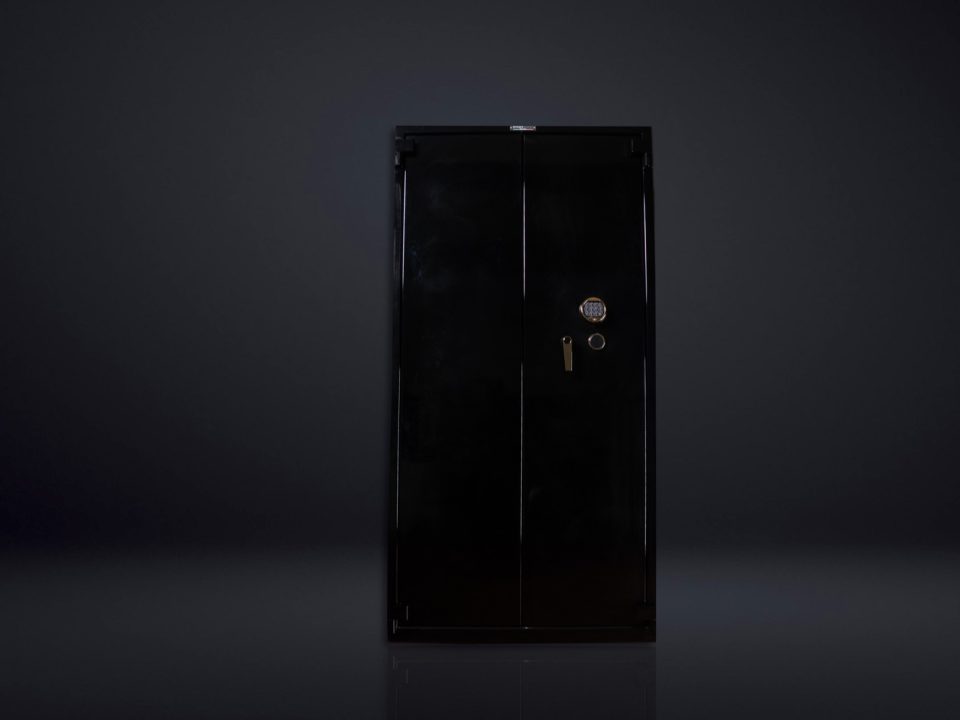
Wellness is another driver. Adults are commonly advised to sleep 7–9 hours per night, yet noise exposure, stress, and environmental irritants often reduce both duration and quality of rest. Panic rooms built with airtight seals and high sound insulation performance can be configured as deep-rest rooms or meditation zones where external noise is reduced to a minimum. In many projects, the room also functions as a central security hub, housing a luxury home safe, a home safe Dubai, or other secured storage designed for valuables and essential documents.
Acoustics And Architecture: How Silence Is Engineered
Sound isolation is not achieved by one “magic material.” It is the result of layered construction strategies applied consistently across the room envelope.
High-performing panic rooms typically use multi-layer wall assemblies, decoupled framing methods, and carefully designed transitions that limit vibration transfer. Attention is placed on eliminating flanking paths, those indirect routes where sound travels through floors, ceilings, ducts, or adjacent structural elements. Door systems are treated as critical components, often fitted with compression seals and engineered thresholds. Where windows are necessary, laminated glazing improves acoustic performance while maintaining protective integrity.
Discretion is also part of the design equation. Many installations incorporate concealed sensing systems that monitor vibration, impact, and other anomalies. The goal is to maintain awareness without compromising aesthetics or making the room feel industrial. When properly executed, these systems integrate into smart home platforms while remaining visually invisible.
Air Quality And Comfort In UAE Conditions
In the UAE, air quality is not a minor comfort feature, it is a practical requirement. Dust, sand, humidity shifts, and extreme summer temperatures demand a mechanical strategy that goes beyond standard residential HVAC.
Panic rooms are commonly fitted with independent air systems to manage dust and airflow. Pressurisation is used to limit the entry of sand and fine particles during storm conditions. Climate equipment is sized and routed to allow the room to remain usable for extended periods without placing unnecessary load on the system.
These conditions also influence storage decisions. Many owners install a document safe box or home document safe within the panic room to protect essential papers from moisture and fire risk. Collectors may specify bespoke luxury safes with climate stability for archives, photography, artwork, or sensitive materials that degrade under heat or humidity fluctuations.
Multimodal Biometrics And Secure Access
Access systems in panic rooms have moved beyond basic keypad entry. Current security design increasingly relies on multimodal biometrics facial recognition, iris scanning, voice authentication, and behavioural verification. In practice, this reduces friction for family members while strengthening protection against forced or coerced entry.
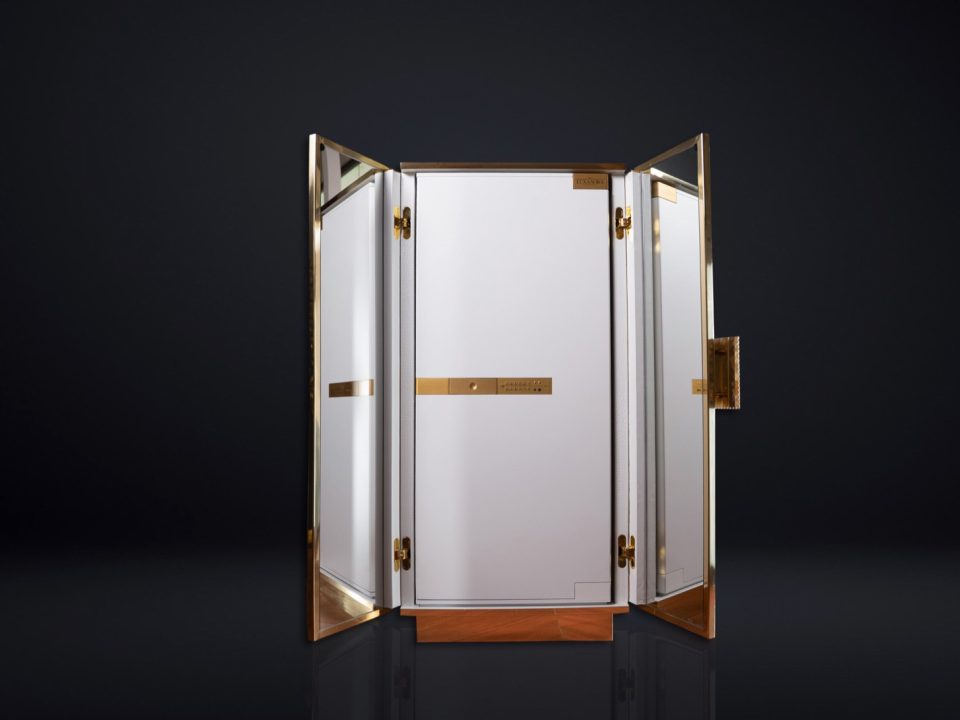
The room’s internal security is often layered as well. A panic room may include dedicated jewellery safes for home, watch safes, or a safe locker Dubai, each integrated into the overall security logic rather than treated as standalone products. This layered approach creates a coherent system: access control governs the room, and the room governs access to the most sensitive assets.
Smart Home Integration Without Compromising Design
In current high-end residential projects, the panic room is no longer designed as an isolated system. It is usually connected to the home’s existing automation infrastructure, allowing essential functions to be controlled quietly and intuitively. Lighting and temperature settings are controlled through concealed switches rather than exposed panels. Security cameras and communication equipment are accessed only when needed and remain hidden during normal use. The level of lighting can be changed depending on whether the room is being used for rest, work, or an emergency situation. Displays, speakers, and monitoring devices are installed within walls or fitted cabinetry so the space does not appear technical or defensive in everyday conditions.
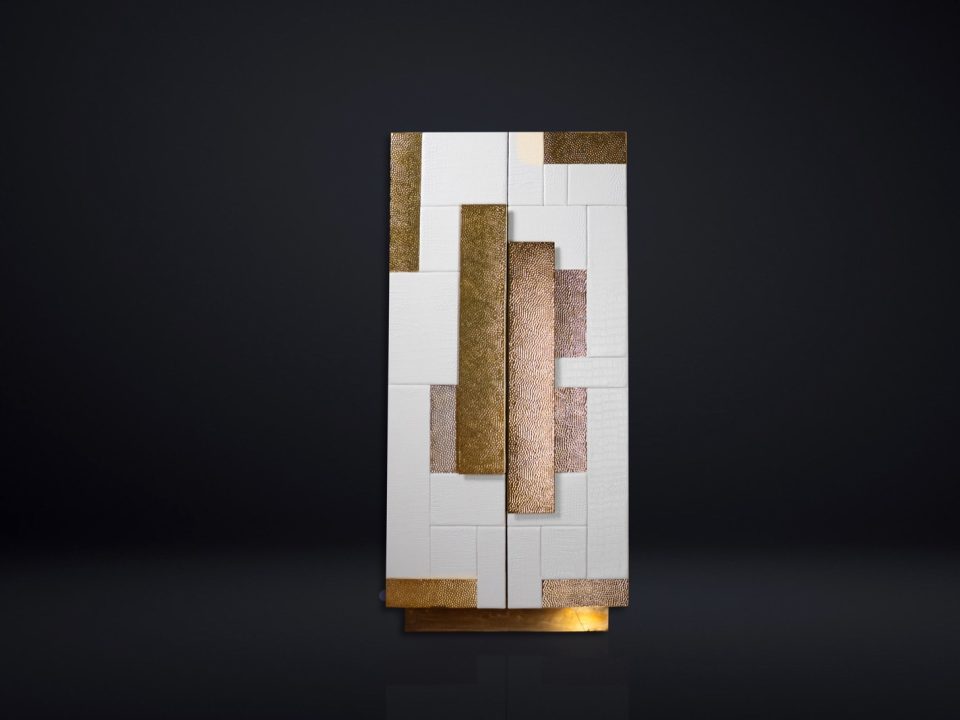
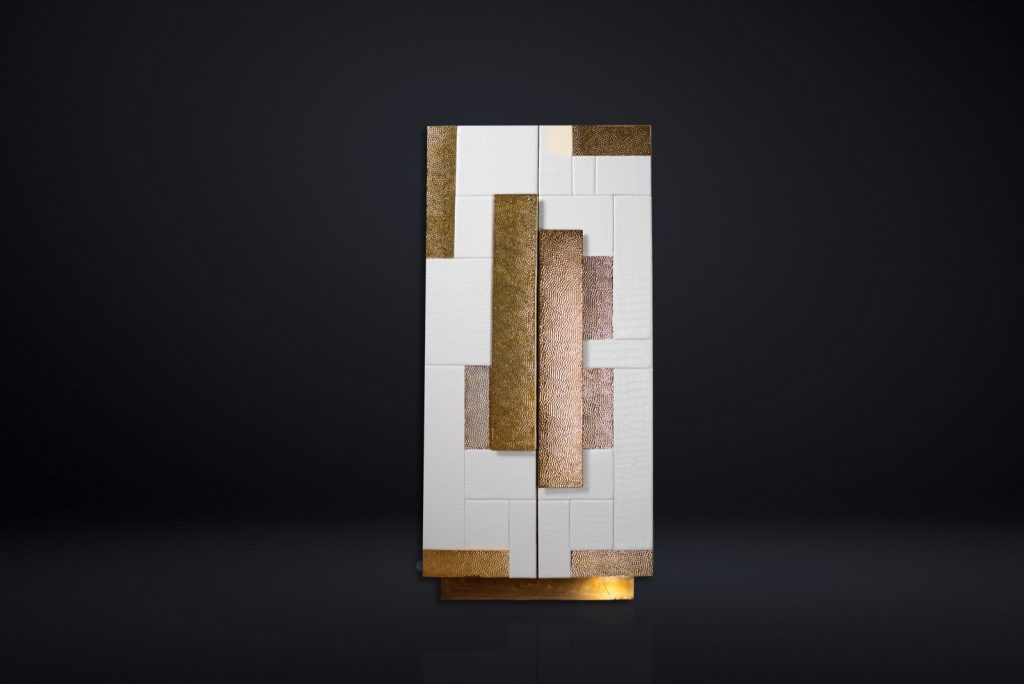
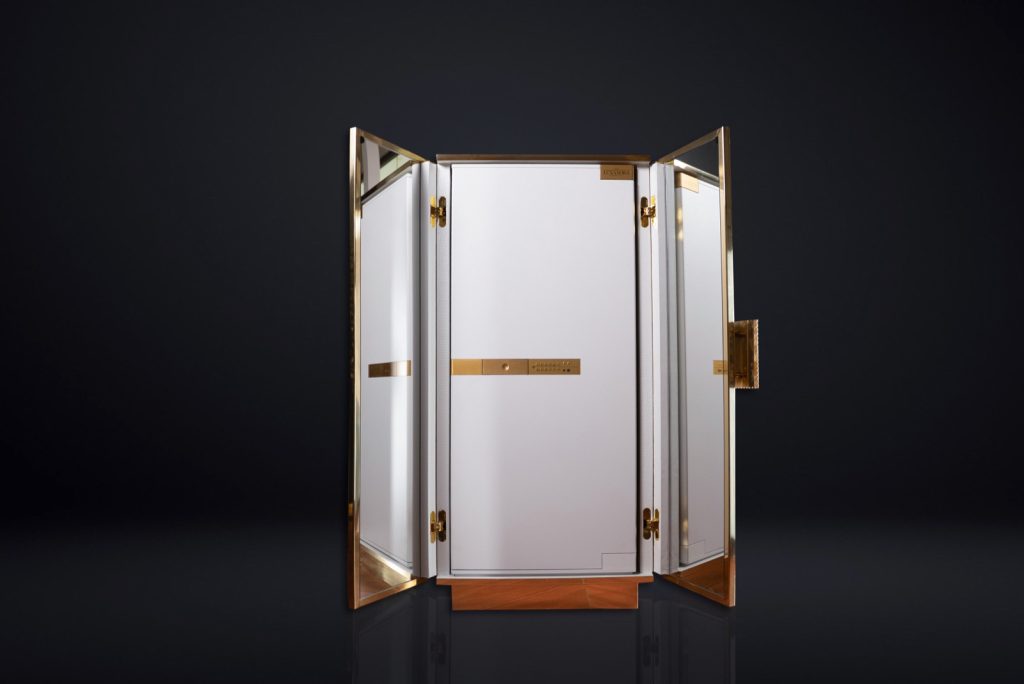
A key trend is the expectation that security should not look like security. Safes and storage are therefore increasingly specified as design elements. Jewellery safes with drawers, watch safes, and custom safe boxes are typically finished to match the surrounding furniture or cabinetry. Materials such as wood, leather, or metal are selected so the safe blends into the interior. For most clients in the region, security equipment is expected to function effectively without changing the visual character of the space.