The Psychology of Luxury Safes: Security, Status, and Peace of Mind

What to Expect During a Panic Room Retrofit in an Existing Villa

Securing Heirlooms: How Jewellery and Document Safes Protect Generational Wealth

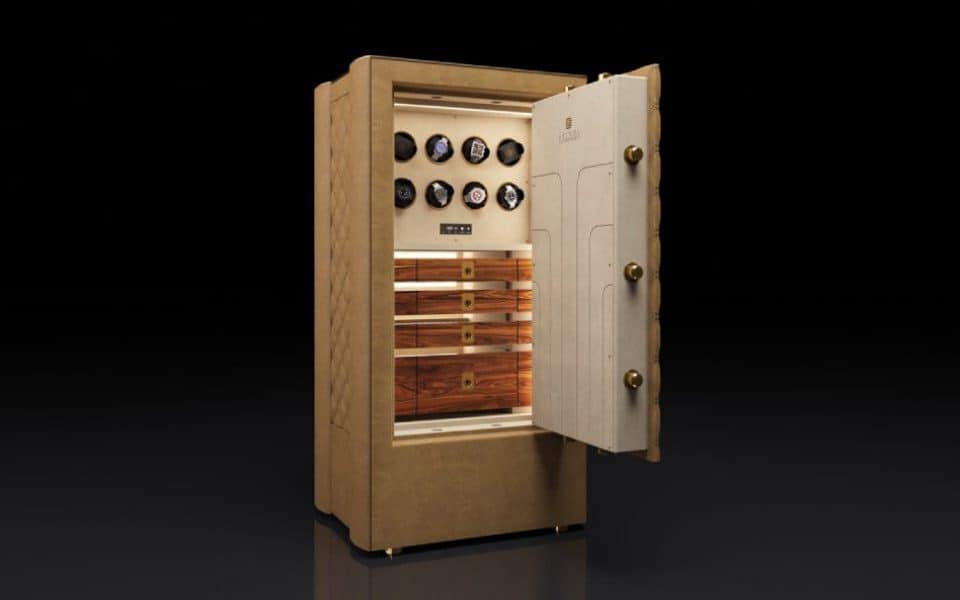
These days, luxury safes are more than just functional metal boxes kept in closets in basements. In the world of luxury house safes, these items have developed into intricate representations of psychological assurance, social standing, and personal security, particularly in cosmopolitan centers like Dubai and across the United Arab Emirates. This essay explores the intricate psychology of pricey safes, examining why affluent households spend money on protection as well as prestige, personalization, and peace of mind.
The Luxurious Home Safe’s Development: From Fortress to Fashion
In the past, safes were simple burglar deterrents composed of durable steel casings. But the safes’ present course has changed significantly. Both lifestyle goals and safety concerns influence demand in markets such as safes Dubai and luxury house safes UAE. High-net-worth individuals increasingly demand solutions that combine modern technology, bespoke design, and seamless connection with smart home networks.
Global industry data underscores this shift. The worldwide market for luxury safes is projected to reach approximately $8.2 billion by 2028, growing at a compound annual growth rate (CAGR) of roughly 6.7 %, a trend tied to rising wealth and heightened security awareness among affluent consumers. Meanwhile, the residential home safes market (inclusive of mid-range and premium categories) is anticipated to approach roughly $945 million by 2033, increasing at a CAGR of around 6.3 % globally.
Luxury Safes’ Status Value: Security as Identity
We need to look at conspicuous consumption through a sociological perspective in order to comprehend the psychology behind premium safes. Unlike regular home safe Dubai models—which emphasise purely on utility—luxury safes often serve as apparent cultural artefacts. They represent achievement, sophistication, and an owner’s dedication to preserving what is really important. Luxury models such as custom-finished wall safes or art-integrated designs blur the boundaries between functional product and objet d’art.
In places like Dubai, where urban elites lead unique lifestyles. This phenomenon is congruent with luxury market research, which regularly demonstrates that wealthy consumers are prepared to pay a premium—typically 40–60% more—for goods that represent prestige, individuality, and personal identity.
Tech Meets Psychology: The Role of Advanced Security Features
Modern luxury safes incorporate state-of-the-art technology that changes homeowners’ perceptions of security, going beyond appearance and prestige. In Dubai’s luxury home security portfolios, biometric locks, IoT apps for remote monitoring, environmental sensors, and adjustable access hierarchies are becoming more prevalent.
Psychologically speaking, these developments satiate a basic human need for control. People are less concerned about theft, loss, or unwanted intrusion when they have the ability to monitor and manage protected access, even from a distance. The safe becomes an extension of the self as smart technologies permeate household life; it is no longer merely a place to store belongings but also a reliable protector in a networked setting.
Safes as Emotional Anchors: Beyond Burglary
One of the more intriguing characteristics of premium safes is their function as emotional anchors. These installed items symbolise stability, continuity, and protection—especially in uncertain economic or geopolitical situations. According to a 2023 poll of UAE citizens, a sizable percentage of households reported serious fear about losing documents and valuables, and investing in secure storage was directly linked to peace of mind.
This emotional depth resonates powerfully. Luxury safes tackle intangible concerns, such as the concern over priceless family heirlooms, private documents, digital backups, or rare collectibles. In contrast, traditional safes focus on physical defences against theft or fire. For many, the psychological comfort that comes from knowing that these objects are protected by premium steel and sophisticated access systems surpasses that of traditional security devices.
Customization and Personalization: The Ultimate Expression of Self
Personalization plays a central role in luxury consumption, and safes are no exception. Retailers in the UAE market provide bespoke options that allow clients to specify finishes, interior layouts, concealment features, and even integration with interior décor. Biometric setups, velvet-lined pockets for jewellery, temperature-controlled modules for wine or art, and hidden installations increase both functionality and personal expression.
This unique strategy strengthens attachment and ownership on a psychological level. When an item is altered to satisfy specific needs and aesthetic preferences, it becomes a personal artefact. This resonates with identity-affirming actions, a crucial role in luxury buying motives.
The Future of Luxury Safes: Integration, Intelligence, and Human Values
In the future, the market for luxury home safes will keep moving in the direction of closer integration with smart environments and lifestyle ecosystems. High-end models are about to adopt predictive security features that include AI, multi-factor authentication, and improved remote control. These advancements will strengthen physical security while also offering psychological solace.
In the UAE’s expanding population of affluent citizens and real estate investors, luxury house safes and safes UAE are more than just security investments; they are psychological instruments that convey control, identity, and status. In this environment, safes are no longer passive objects; they are active participants in tales of personal and household security.
Summarization
Luxury safes are located at the intersection of technology, lifestyle, and psychology. In Dubai and across the UAE, these devices address core requirements for security while simultaneously communicating status and personal views. Luxury safes provide more than just physical security, whether they are used to safeguard priceless valuables, private papers, or digital assets. They also provide peace of mind, which is a vital resource in an uncertain world. The psychological attractiveness of these famous security solutions will only increase as the industry develops.