Watch Winders 101: Technology, Care, and Why They’re Essential for Automatic Watches

Securing Heirlooms: How Jewellery and Document Safes Protect Generational Wealth

Document Safes for High-Net-Worth Individuals: What to Look For
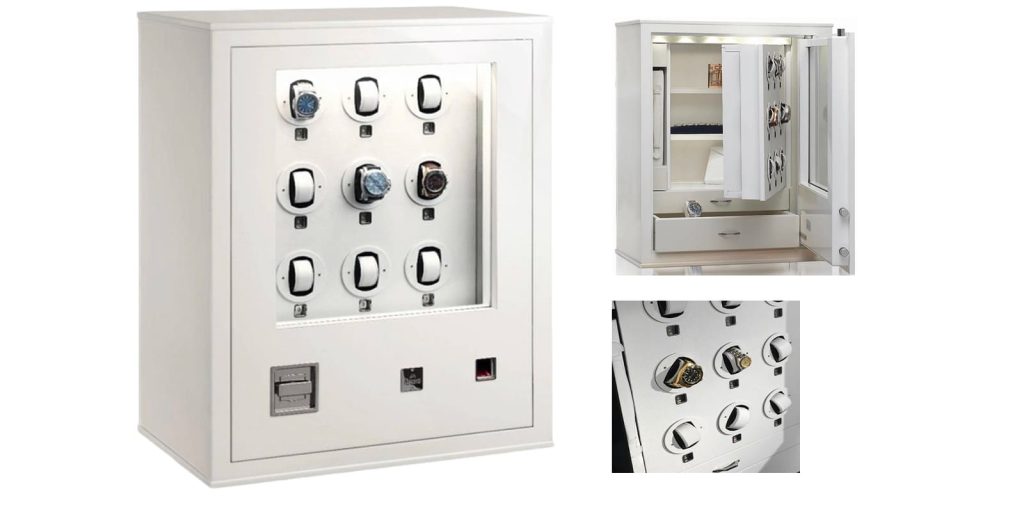
In the refined world of horology, automatic watch winder box solutions have transcended their humble beginnings as niche accessories and emerged as critical tools for collectors, connoisseurs, and lovers of mechanical timepieces. Understanding how watch winders work and why they are important is crucial for maintaining the accuracy, value, and experience of automatic watches, whether you’re installing a full-fledged luxury watch safe in Dubai or a little watch safe for a minimalist collection. This essay takes you through the technology, maintenance philosophy, market trends, and practical insights that make watch winders vital in the modern collector’s armoury.
Understanding Automatic Watches and the Need for a Winder
Automatic timepieces are engineering wonders. Automatic (or self-winding) watches rely on the wearer’s wrist movement to wind a mainspring, a tightly coiled spring that stores and releases energy, in contrast to quartz watches that run on batteries. While the watch is worn, natural motion keeps this mainspring charged, maintaining functionality and accuracy.
However, such a watch unwinds and stops after a few days or weeks of inactivity. This can disrupt sensitive internal systems in addition to being uncomfortable, particularly in clocks with advanced features like calendars, moon-phase indications, or perpetual date capabilities. This is where the Dubai watch winder category enters the picture. By simulating wrist motion through precise rotations, a watch winder keeps the mainspring taut and the watch operating smoothly even when it is not in use.
The Horological Mechanics: How Watch Winders Work
At its core, a watch winder engages a spinning mechanism that holds and turns a watch at specified intervals. These rotations per day (TPD) replicate wrist motion, ensuring that the improper components don’t idle away. By distributing lubricants evenly, proper winding lowers the possibility of oil thickening, which can reduce longevity and accuracy.
Watch winders have customisable settings:
Directional Control
Clockwise, anticlockwise, or bidirectional
TPD Modifications
Adapted to particular watch movement specifications
Periodic Cycles
Designed to avoid frequent motion that could contribute to wear
These criteria demonstrate a thorough comprehension of watchmaking; collectors are safeguarding microscopic ecosystems of gears, springs, and jewels in addition to conserving time
Beyond Function: Security and Sophistication
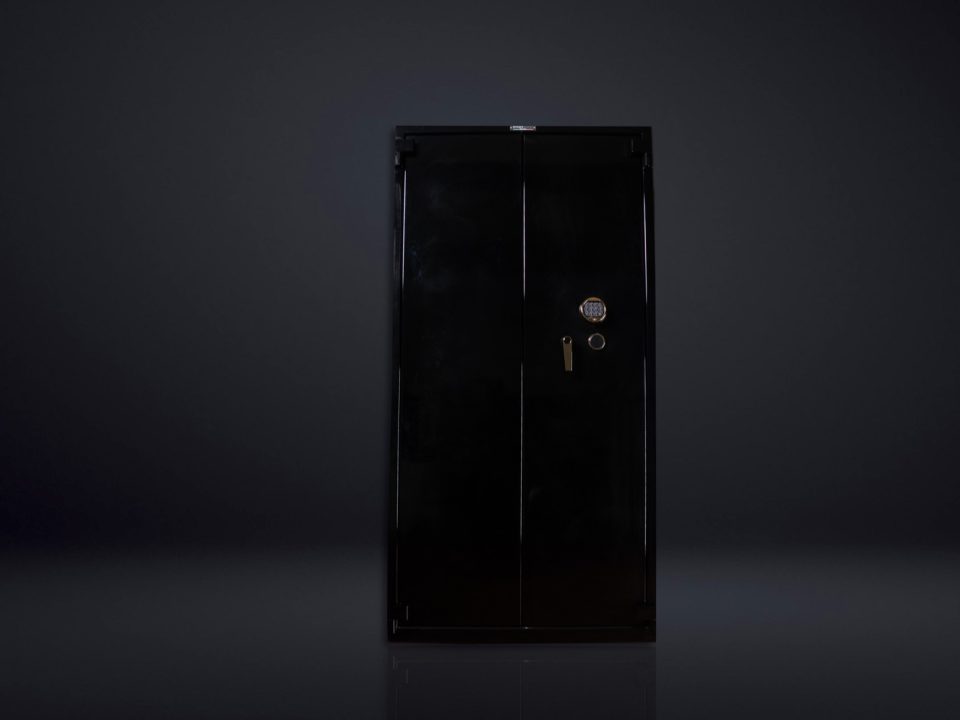
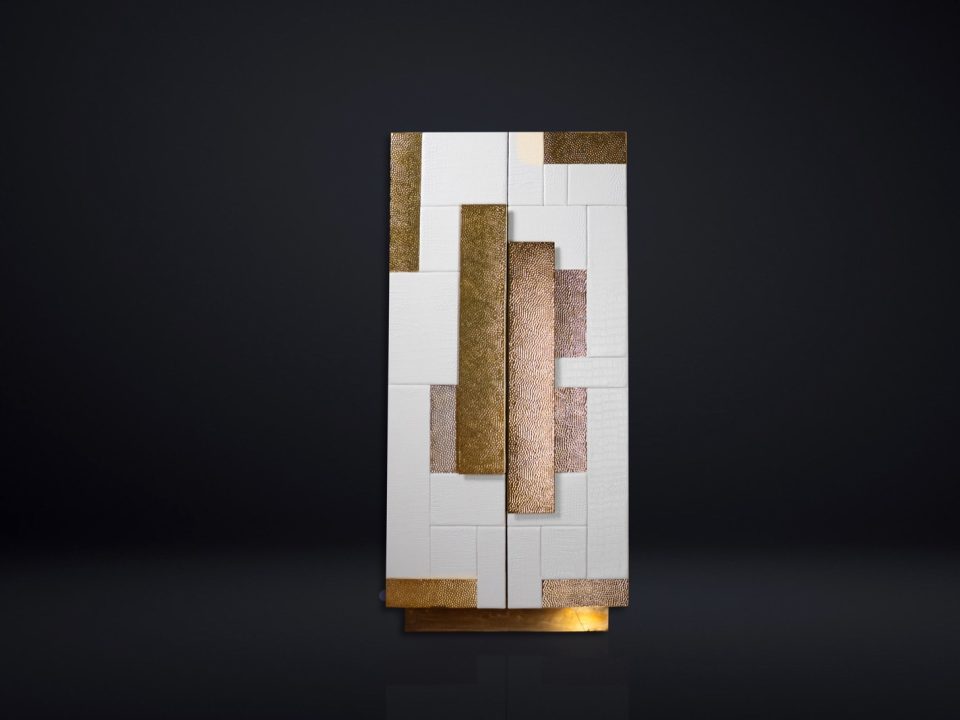
Watch winders are more than just mechanical assistants in high-end setups; they are safe, luxurious watch safes that serve as both protective vaults and exhibition pieces. In order to protect watches from external dangers like theft or environmental damage, high-end timepieces combine powerful winding technology with reinforced steel construction, biometric locking, and climate control systems that manage temperature and humidity.
This blend of engineering and creativity is exemplified by the high-end watch winder safes produced by custom security manufacturers in Dubai. Velvet-lined interiors, reinforced steel doors, and biometric fingerprint access are common elements of these systems that simultaneously preserve delicate watch surfaces and elegantly exhibit the watches.
Market Dynamics: Growth, Trends, and Future Paths
From a wider industrial standpoint, the market for watch winders is growing in tandem with the world’s luxury watch business. The global market for watch winders was projected to be valued USD 250 million in 2024 and is projected to rise at a robust compound annual growth rate (CAGR) of USD 400 million by 2033, reflecting the increasing demand from affluent consumers and collectors.
According to a different forecast, the market for watch winders might reach up to USD 2.5 billion globally by 2032 due to rising demand for high-end timepieces and maintenance options that maintain their mechanical integrity.
The terrain is also changing due to technological improvements. Smart winders with app connectivity, IoT integration, and variable torque management promise personalised care regimens adapted to certain brands and models. This echoes a broader trend in premium goods: mixing traditional craftsmanship with cutting-edge electronics.
Care, Controversy, and Collector Philosophy
Despite the clear benefits, watch winders stir some debate within enthusiast communities. Some argue that continuous winding can accelerate wear, recommending manual winding as necessary and sufficient for most pieces—a point reflected in varied user discussions online. Others counter that modern winders with intermittent cycles avoid overwinding and offer significant convenience for multi-watch collectors.
The key here is nuance: watch winders aren’t universally essential for every owner but are incredibly valuable for those with multiple automatic watches or timepieces with complex features that are cumbersome to reset. They also serve as organizational hubs, reducing the risk of damage from improper storage and providing immediate access to a ready-to-wear collection.
Why They Matter: Practical Benefits Summarized
Preserve Accuracy
Keeps watches running and precise.
Extend Longevity
Ensures lubrication distribution for internal mechanisms.
Convenience
No tedious resetting before each wear.
Security
Combines winding with watch safe protection.
Display and Organization
Elegant presentation enhances the collector experience.
Time, Technology, and Trust in Conclusion
Watch winders have a special psychological and practical niche in the mutually beneficial interaction between collector and timepiece. They demonstrate a stronger dedication to workmanship, value preservation, and lifestyle curation in addition to ensuring that automatic watches continue to be accurate and practical. Whether you’re buying in a tiny small watch safe for everyday basics or a curated watch winder dubai installation for a burgeoning collection, these devices are where history meets technology, security aligns with aesthetics, and passion converges with accuracy.