From Safe Boxes to Private Vault Ecosystems: How Security Design is Evolving in UAE Homes

Custom Watch Winders and Safes: The Overlooked Infrastructure of Luxury Timepiece Ownership

How to Secure a Luxury Villa in Dubai: A Complete Physical Security Blueprint
Security is now an integrated system rather than an afterthought in the construction of contemporary luxury living. Vault ecosystems that are completely integrated and spatially engineered have developed from what started out as a covert safe box hidden beneath wardrobes. The evolution of domestic security in the UAE, where wealth concentration and sophisticated design coexist, symbolizes a more profound change: from objects to infrastructure, from protection to preservation.
The Wealth Effect: Why Real Estate Is Increasing Security
Dubai’s luxury real estate boom is changing domestic security concerns in addition to improving skyline aesthetics. In a single year, the emirate recorded more than 435 residential transactions for more than $10 million, making it a global leader in the selling of ultra-prime real estate. The risk profile of properties has significantly changed as a result of this influx of wealthy people. Nowadays, homes serve as stores of valuable goods, including jewellery, watches, artwork, records, and digital riches in addition to being places to live. Because of this, the need for safes in the UAE has grown beyond simple storage to include multi-layered security ecosystems.
The Conventional Safe Box’s Limitations
The conventional safe box was not intended to be a stronghold but rather a deterrent. The majority of residential apartments provide little defence against environmental hazards and physical assaults. Even fire-resistant safes are usually only certified for brief periods of time, leaving contents exposed for extended periods of time.
A paradigm change has been brought about by this restriction. Homeowners are starting to understand that security is a system rather than a product. No matter how well-built it is, a freestanding safe cannot handle the complexity of contemporary dangers, which include insurance gaps, humidity damage, and burglaries.
The Custom Safe’s Ascent: Customisation and Security
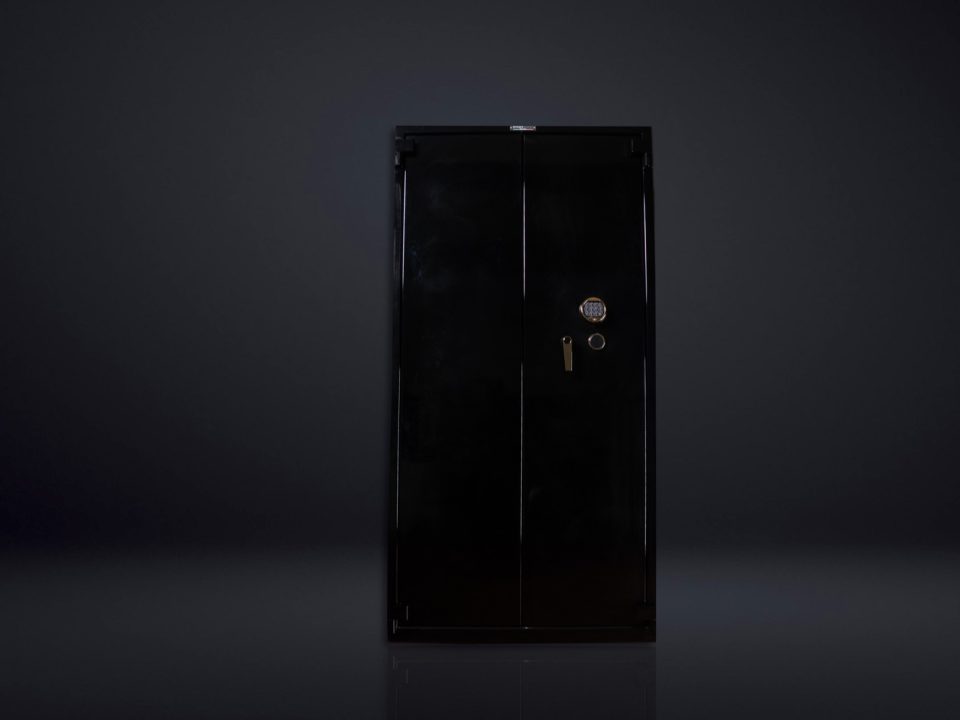
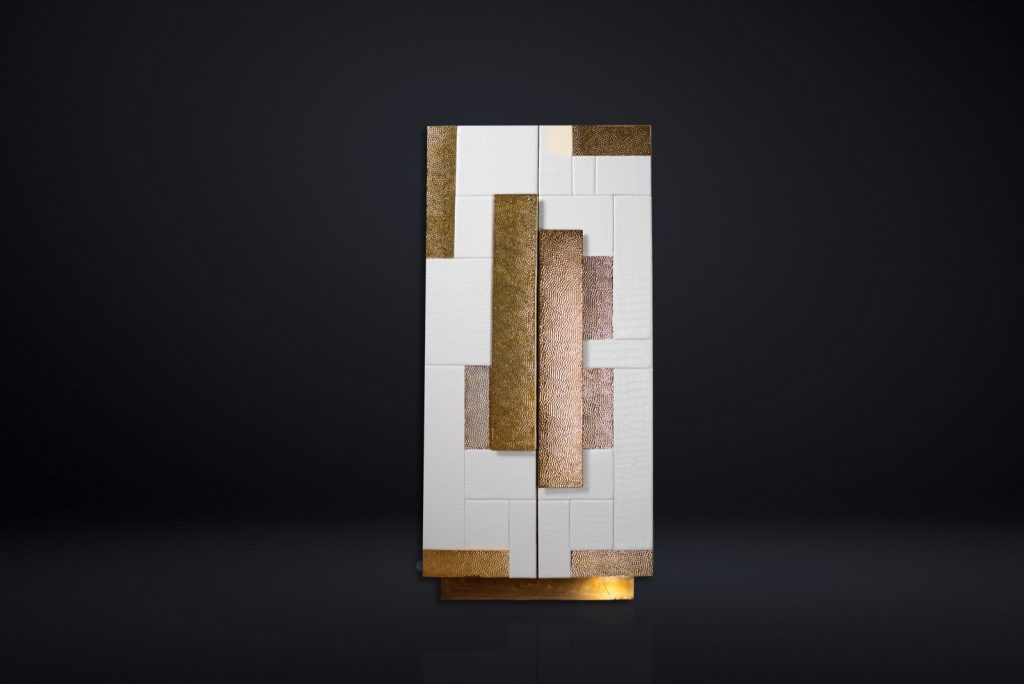
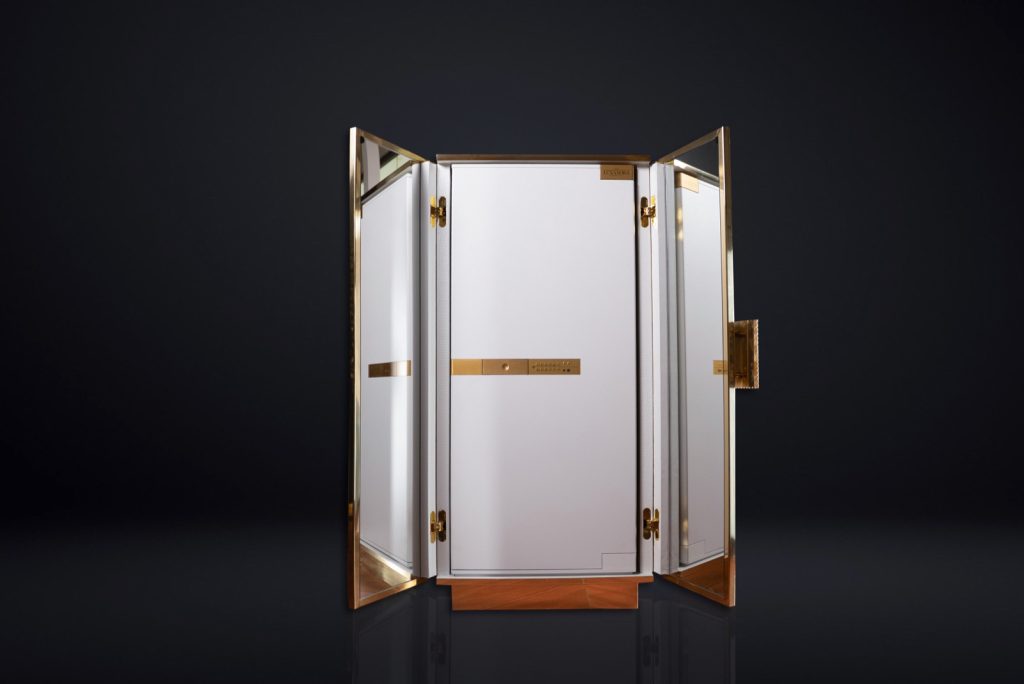
Presenting the bespoke safe, a solution that embodies both lifestyle harmony and technical perfection. Customisation is expected in the UAE and is not considered a luxury. Safes designed for particular asset classes, such as humidity-controlled watch compartments or reinforced sections for documents and digital material, are becoming more and more popular among homeowners.
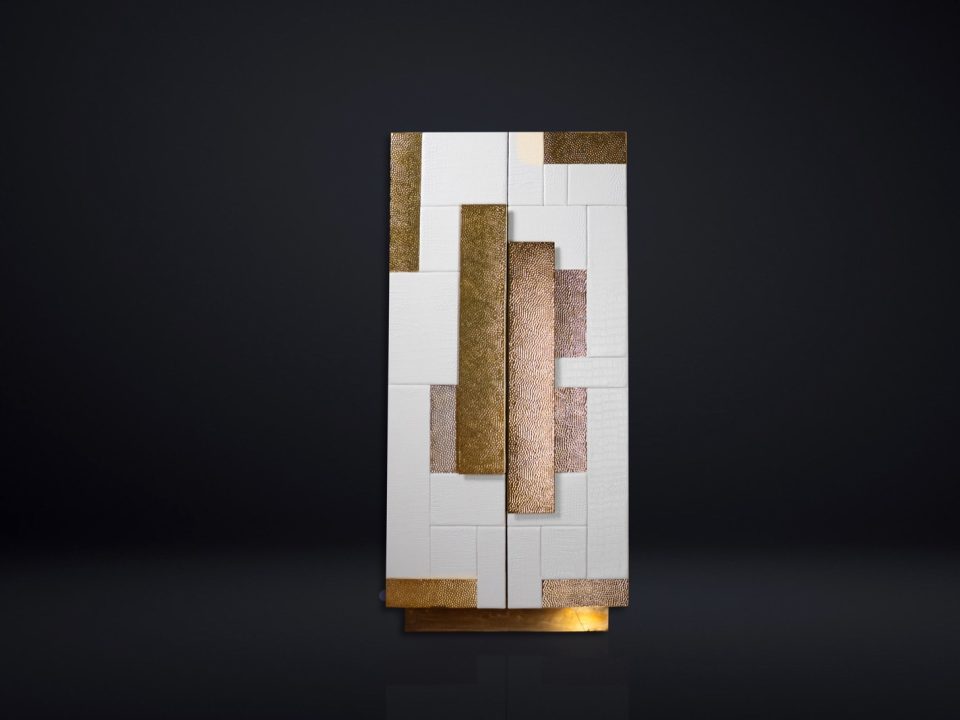
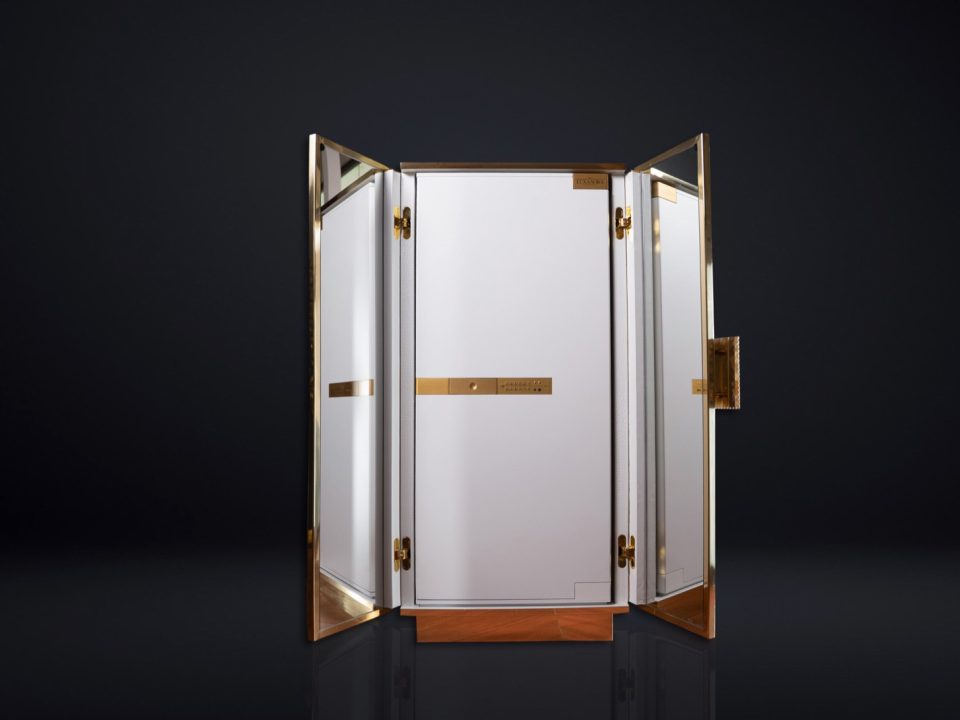
These days, manufacturers provide custom solutions with cutting-edge features like biometric entry, remote monitoring, and modular storage that blend in perfectly with interior design. The demand for systems that reflect individual identity is a broader cultural trend that is driving this shift towards personalisation. A safe is no longer hidden—it is curated.
From Object to Ecosystem: The Emergence of Vault Rooms
The most significant evolution, however, is architectural. The safe box is being replaced—or rather, absorbed—into a larger framework: the private vault ecosystem. Vault rooms, once reserved for banks and institutions, are now entering residential design. These spaces combine reinforced walls, multi-point locking systems, surveillance integration, and environmental controls into a single, cohesive unit. Companies in the UAE now design fully customized vault rooms that align with both security requirements and interior aesthetics. This transformation represents a shift in scale and philosophy. Security is no longer about hiding valuables; it is about creating controlled environments where assets can exist safely, accessibly, and sustainably.
Market Dynamics: A Growing Industry of Invisible Infrastructure
The evolution of security design is mirrored in market growth. The global safes and vaults industry was valued at approximately $6.1 billion in 2022 and is projected to reach $8.2 billion by 2027, driven by rising demand for high-security storage solutions.
In the UAE specifically, the presence of over 68,000 millionaires and 250 centi-millionaires has accelerated demand for bespoke security solutions. These demographics are not acquiring assets—they are investing in the systems that sustain them.
Technology Integration: Smart Security for Smart Homes
Safes in the UAE today are digital interfaces rather than mechanical devices. App-based controls, biometric authentication, and smart locks are becoming commonplace features.
More sophisticated systems allow users to remotely monitor and manage access by integrating with home automation technologies. Safes become active nodes in a broader smart home ecosystem as a result of the convergence of technology and security.
However, this poses an important question: Do new vulnerabilities arise as a result of increasing connectivity? An emerging area in residential security design is the need for systems to become more resilient to cyber threats as they get smarter.
Change in Behaviour: From Ownership to Stewardship
There is a psychological change at the heart of this progression. Active stewardship is replacing passive ownership among homeowners. The focus is no longer on acquiring valuables but on maintaining, protecting, and optimizing them over time.
This is where the concept of the “ecosystem” becomes essential. A custom safe or vault room is not a standalone investment—it is part of a broader strategy that includes insurance, environmental control, and accessibility.
Interestingly, this shift also reflects a change in how luxury is perceived. Visibility is giving way to discretion. The most valuable systems are often the least visible, operating silently in the background.
Design Philosophy: Security as a Lifestyle Element
In the UAE, where design excellence is a cultural norm, security solutions must align with aesthetic expectations. Modern safes and vaults are crafted with premium materials, bespoke finishes, and architectural integration that ensures they complement, rather than disrupt, interior design. Security becomes a component of lifestyle thanks to this combination of form and function. A vault room is now a carefully designed area that frequently serves as a private gallery or dressing room rather than a secret underground.
Conclusion: Integration of the Future
The shift from the safe box to the private vault ecosystem is not only technological but also conceptual. It represents a more thorough comprehension that security is not a single layer but rather a network of linked systems. This shift in the United Arab Emirates is being driven by concentrated wealth, creative design, and an excellence-oriented culture. Because of this, safes in the UAE are no longer objects but rather smart, interconnected systems.