Custom Watch Winders and Safes: The Overlooked Infrastructure of Luxury Timepiece Ownership

Jewellery Vault Design for Retail vs Residential: Two Completely Different Security Philosophies

From Safe Boxes to Private Vault Ecosystems: How Security Design is Evolving in UAE Homes
In the theatre of luxury watch ownership, the spotlight rarely falls on infrastructure. Conversations orbit complications, heritage, and resale value, yet the silent ecosystem sustaining these assets remains curiously ignored. The automatic watch winder box and the integrated watch winder safe are not mere accessories; they are infrastructural pillars that bridge horology, security engineering, and behavioral economics. To dismiss them as optional is to misunderstand the operational realities of modern collecting.
Beyond Ornament: Functional Necessity in Mechanical Ownership
Automatic timepieces are made to move constantly. Human movement is converted into stored power by the internal rotors, which rely on kinetic energy. These systems cease to work when left idle, necessitating the recalibration of time, date, and complicated functions like moon phases or perpetual calendars. High-end winders use programmable rotations to simulate wrist motion, guaranteeing mechanical continuity and protecting the integrity of gear trains and lubricants.
This functional layer becomes critical as collections scale. A logistical conundrum arises for a collector who owns five to ten watches: only one can be worn at a time, but others require periodic motion. In this case, the watch winder transitions from being a convenience to an operational necessity, especially for high-complication clocks where resetting is risky and time-consuming.
Market Signals: A Growing Yet Underexamined Industry
The global watch winder market, valued at approximately $1.8 billion in 2022, is projected to grow at a compound annual rate of over 6%, driven by rising luxury watch ownership and collector culture. This increase is not coincidental; rather, it reflects a larger trend in luxury consumption that is moving away from ownership and toward stewardship.
Due to growing concentrations of wealthy people and a booming secondary watch industry, areas like the Middle East, notably the United Arab Emirates, are becoming high-growth zones. It is now expected to preserve luxury at the highest possible practical and aesthetic standards in such ecosystems, rather than merely possessing it.
Infrastructure investment, however, lags behind purchase behavior despite these changes. Consumers readily allocate six figures to timepieces but hesitate at four-figure investments in storage systems that protect and preserve them. A cognitive bias is evident in this asymmetry: obvious luxury is given precedence over invisible systems.
The Convergence of Security and Kinetics
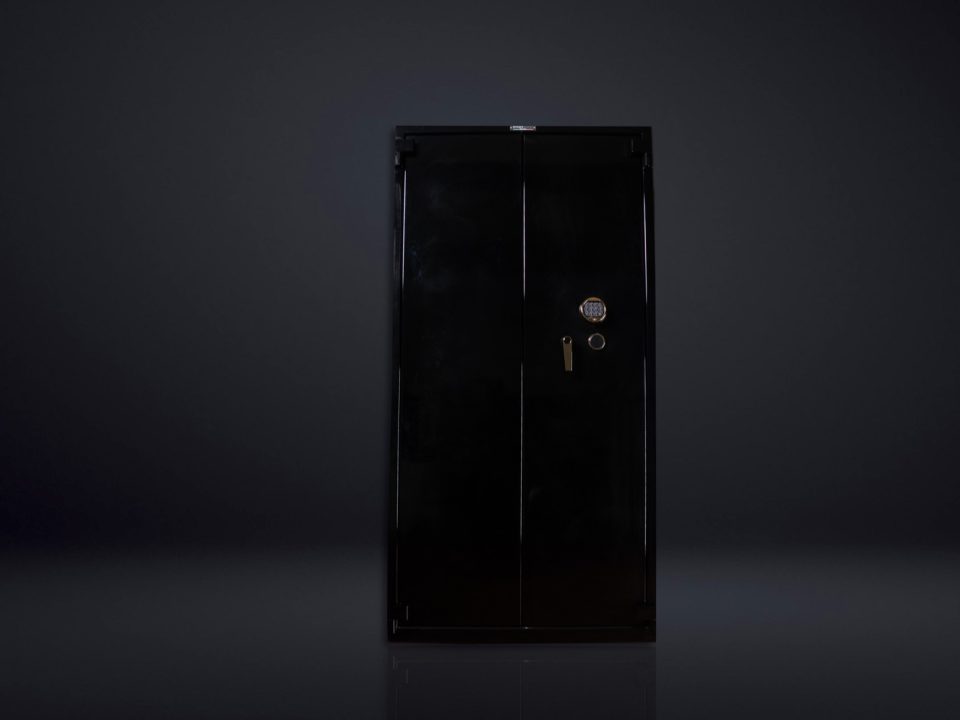
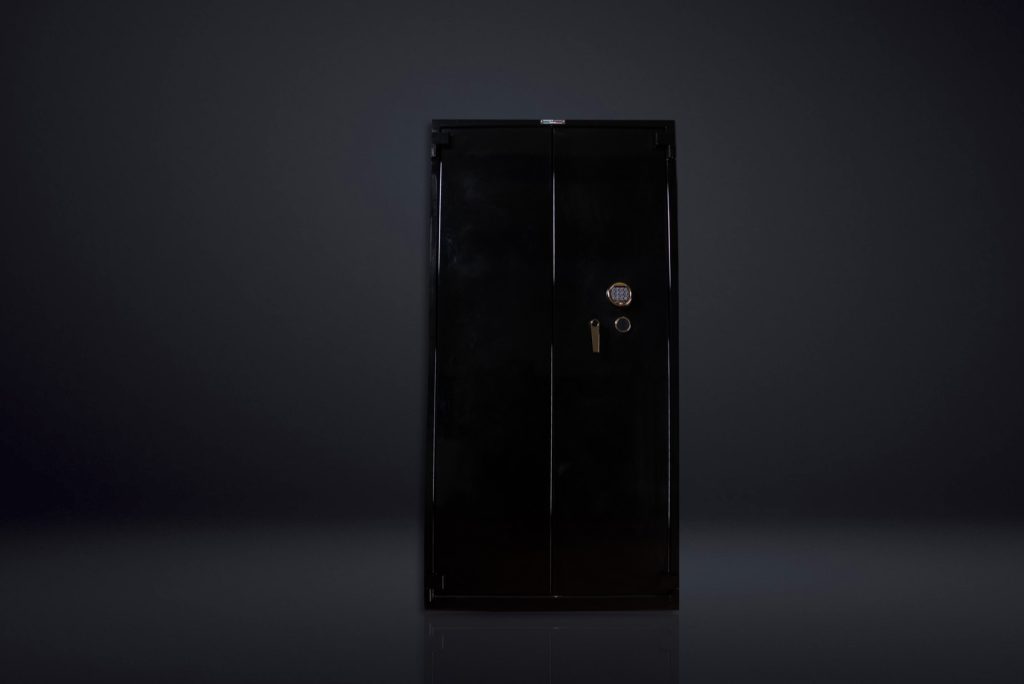
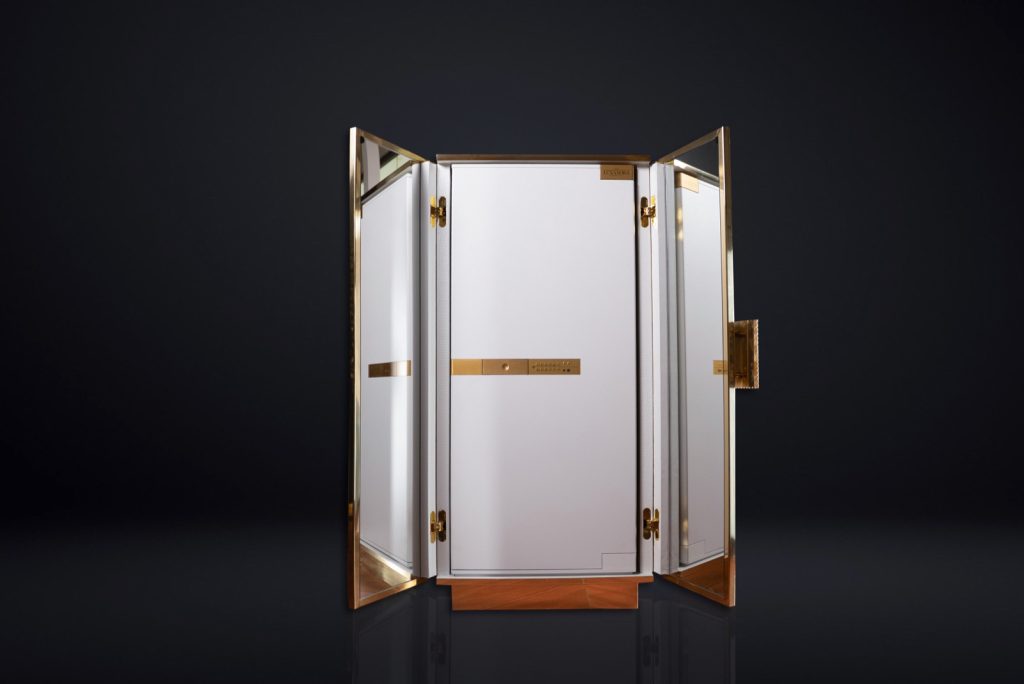
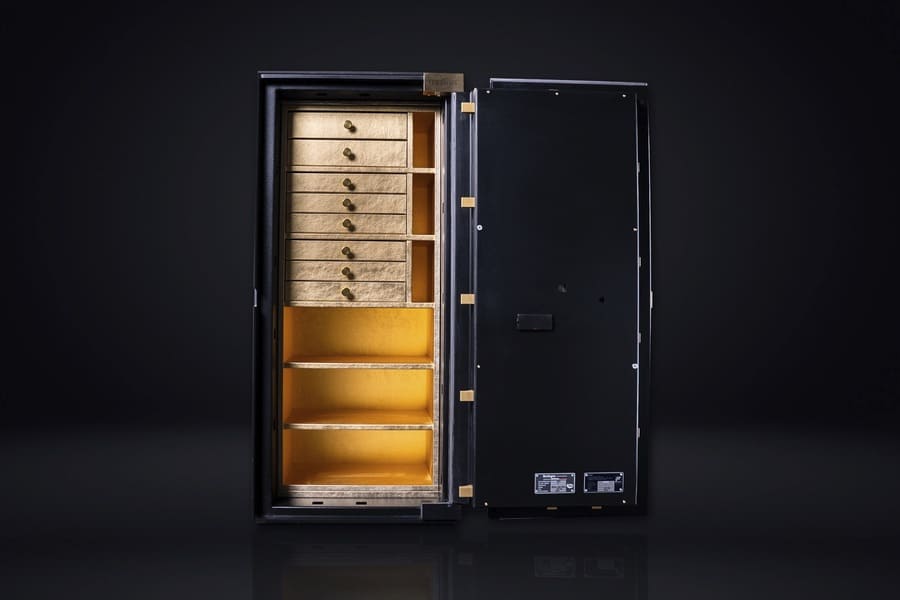
An important turning point is the transition from standalone winders to integrated safes. Modern systems turn storage into a combination of a vault and a kinetic display by combining winding technology with superior security, fire resistance, biometric access, and tamper-proof construction.
A more general design philosophy is reflected in this convergence: luxury infrastructure needs to be both protective and performing. By integrating programmed winding modules inside certified security safes, companies like Brown Safe and Buben & Zörweg have operationalised this, effectively establishing micro-vaults for watch assets.
There are important ramifications. A watch is now controlled rather than stored. The automatic watch winder box ensures readiness, durability, and insurability by acting as an interface between mechanical engineering and asset protection.
Technology as Differentiator: From Passive Storage to Smart Systems
The sector is entering the realm of smart luxury thanks to recent innovation. In luxury categories, remote monitoring, IoT connectivity, and app-controlled winders are becoming commonplace. Turns per day (TPD) calibration, performance monitoring, and integration with larger home automation networks are all made possible by these solutions.
Data-driven ownership is a new level brought about by this technological layering. Collectors can now minimize wear while preserving readiness by optimizing winding cycles according to certain calibers. Analog stewardship is giving way to digital accuracy.
But this development also reveals a conundrum. Systems run the risk of over-engineering a basic function as they get more complex. Manufacturers must strike a balance between innovation and mechanical empathy to ensure that technology improves rather than compromises horological purity.
Behavioral Economics: The Psychology of Neglect
Why does such critical infrastructure remain overlooked? The answer lies in perception. A luxury watch is a visible status symbol; a watch winder safe is not. It operates in the background, delivering value through absence—no downtime, no damage, no theft.
This creates a classic case of “invisible utility.” Consumers undervalue systems that prevent negative outcomes because their success is measured by what doesn’t happen. No broken spring, no stolen asset, no reset inconvenience—these are silent victories.
Interestingly, community discourse reflects this divide. While some collectors argue that winders are unnecessary unless dealing with complex watches, others emphasize their role in convenience and preservation. The truth, as always, lies in context: infrastructure scales with collection complexity.
Design Language: Where Engineering Meets Aesthetics
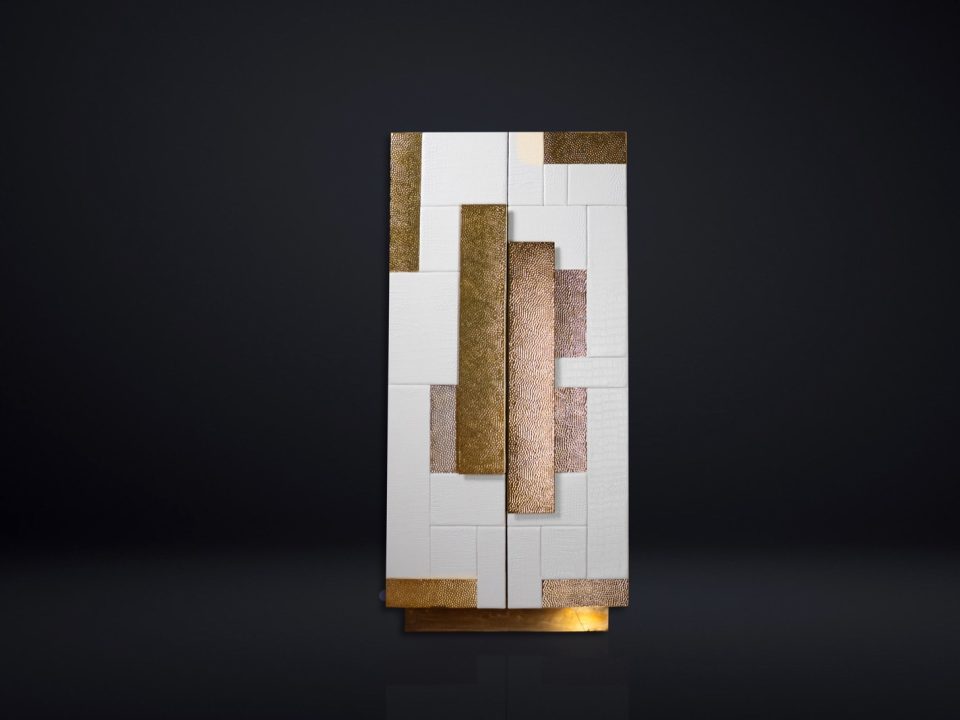
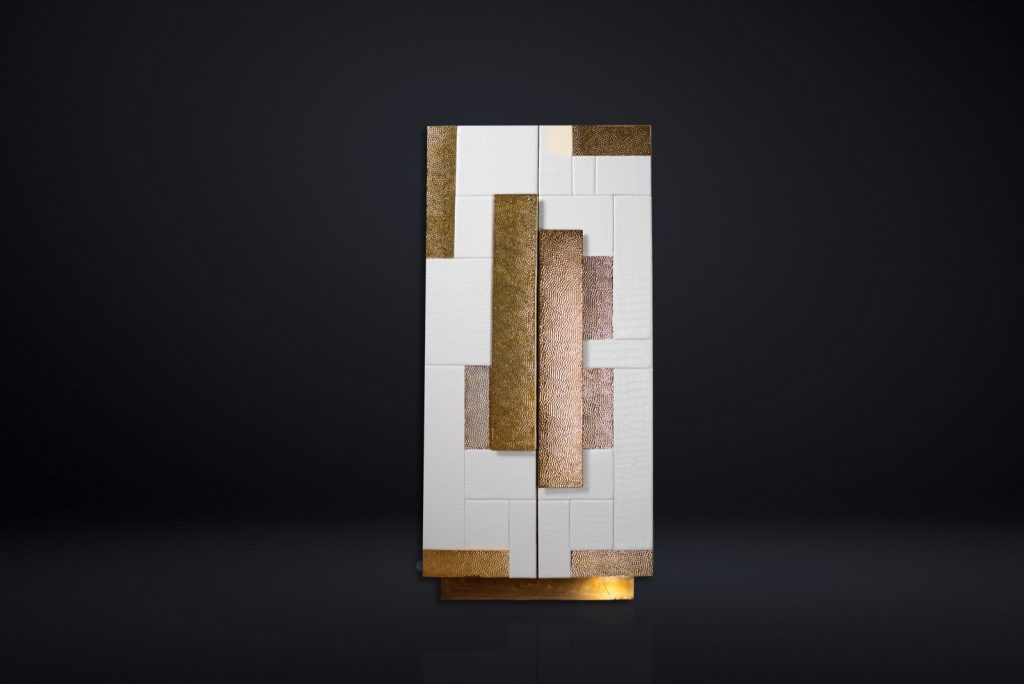
Luxury infrastructure is no longer hidden. High-end winders and safes are designed as display objects—featuring leather interiors, LED illumination, and glass enclosures. This aesthetic shift transforms storage into storytelling.
The automatic watch winder box becomes a curated stage where mechanical artistry is both preserved and exhibited. It aligns with a broader trend in luxury interiors, where function and form are inseparable.
Conclusion: Infrastructure as Identity
To understand modern luxury watch ownership is to move beyond acquisition and into systems thinking. The watch winder and its integrated safe counterpart represent an infrastructural layer that is both technical and philosophical. They embody a shift from passive ownership to active stewardship.
In an era where collections are expanding and assets are appreciating, the question is no longer whether one can afford a watch, but whether one has built the ecosystem to sustain it. The overlooked infrastructure of winders and safes is, in many ways, the true marker of a mature collector.