Italian Artistry in Contemporary Security Design: Why Tradition Continues to Define High-End Safes

Hidden in Plain Sight: The Art of Concealed Safes in Modern Luxury Villas

Safety Doors and Windows: Redefining Perimeter Security Without Compromising Design
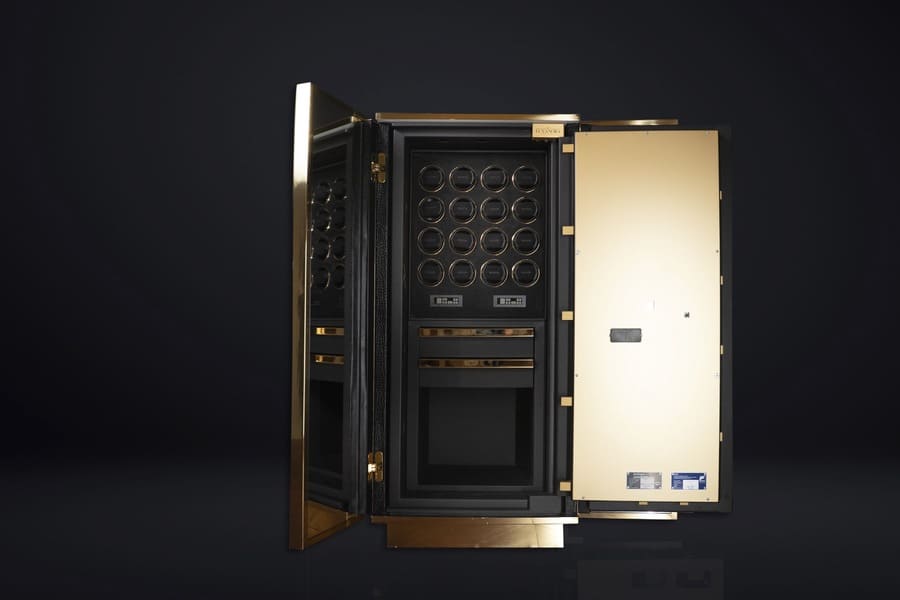
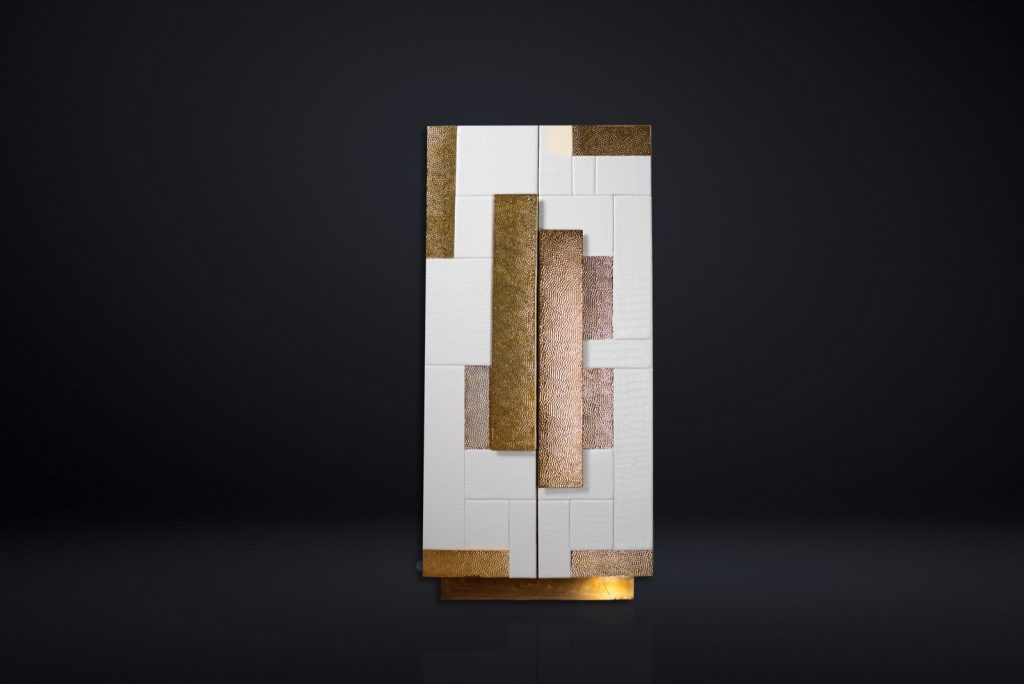
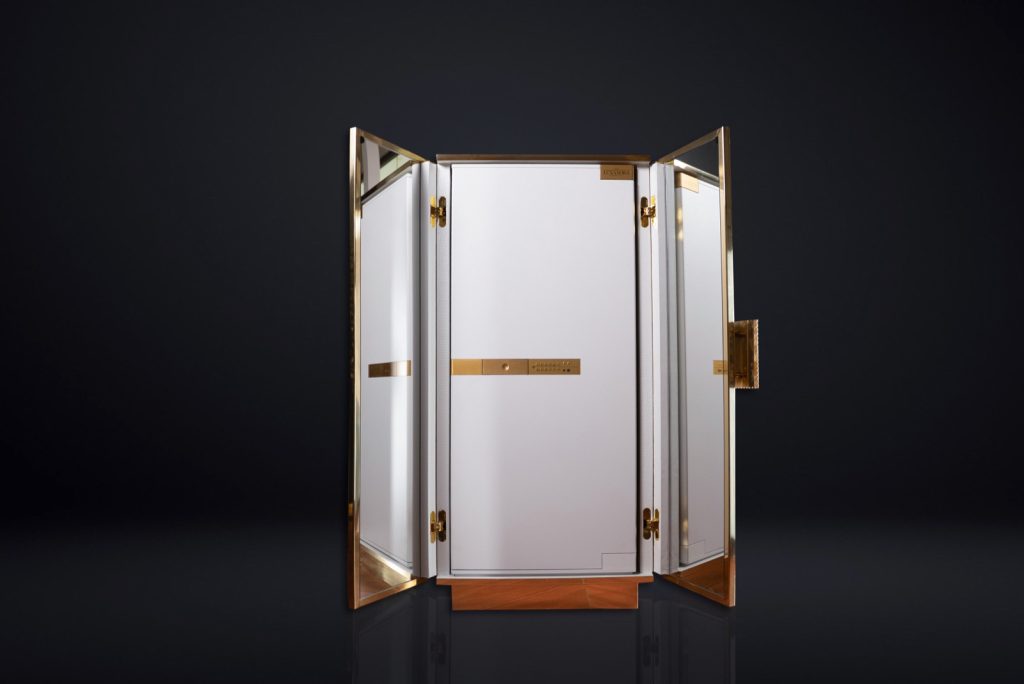
In a time when the security market is dominated by biometric access, AI-powered surveillance, and smart-home integration, one feature still sets luxury safes apart from standard storage systems: craftsmanship. The long-lasting impact of Italian design philosophy on the luxury safe market is the best example of this. One of the most sought-after standards in contemporary security architecture has developed from a centuries-old history of precise metallurgy and artisanal engineering.
The wealthy customers of today are not searching for industrial metal boxes concealed under paintings. They want security systems that provide military-level protection while blending in perfectly with opulent environments. Due to this change, the contemporary bespoke safe is now a statement of individuality, tradition, and sophisticated design rather than just a useful item.
The global luxury safe market was estimated to be worth USD 2.1 billion in 2024 and is projected to rise at a compound annual growth rate (CAGR) of more than 8% to reach USD 4.3 billion by 2033. High-net-worth individuals looking for custom security solutions that blend cutting-edge innovation with superior aesthetics are mostly responsible for this increase. The core of this change is Italian workmanship.
Where Security Meets Art
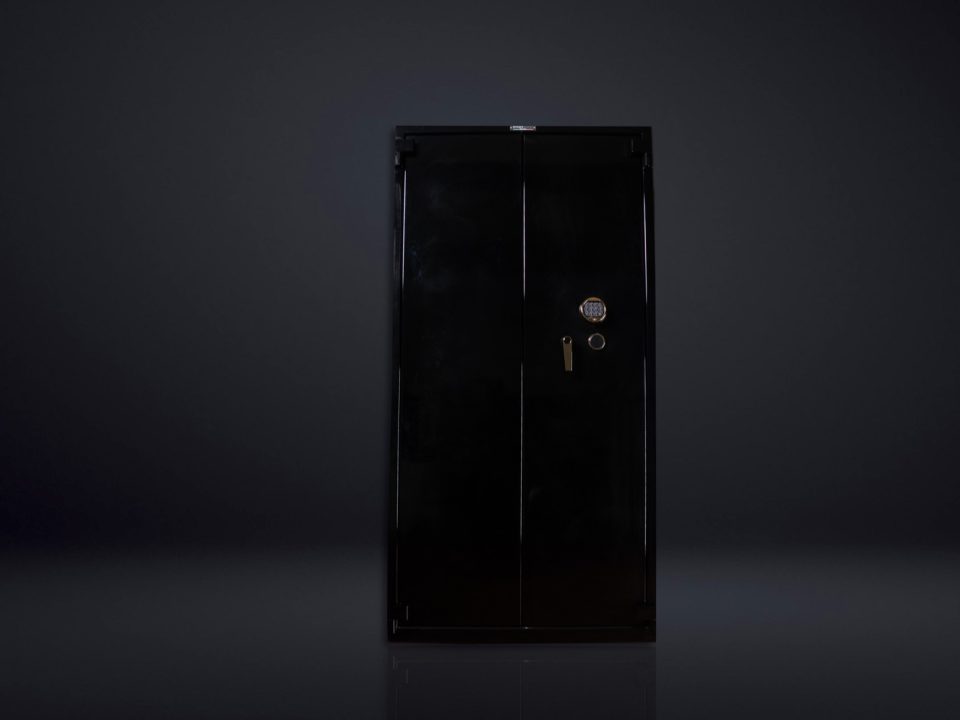
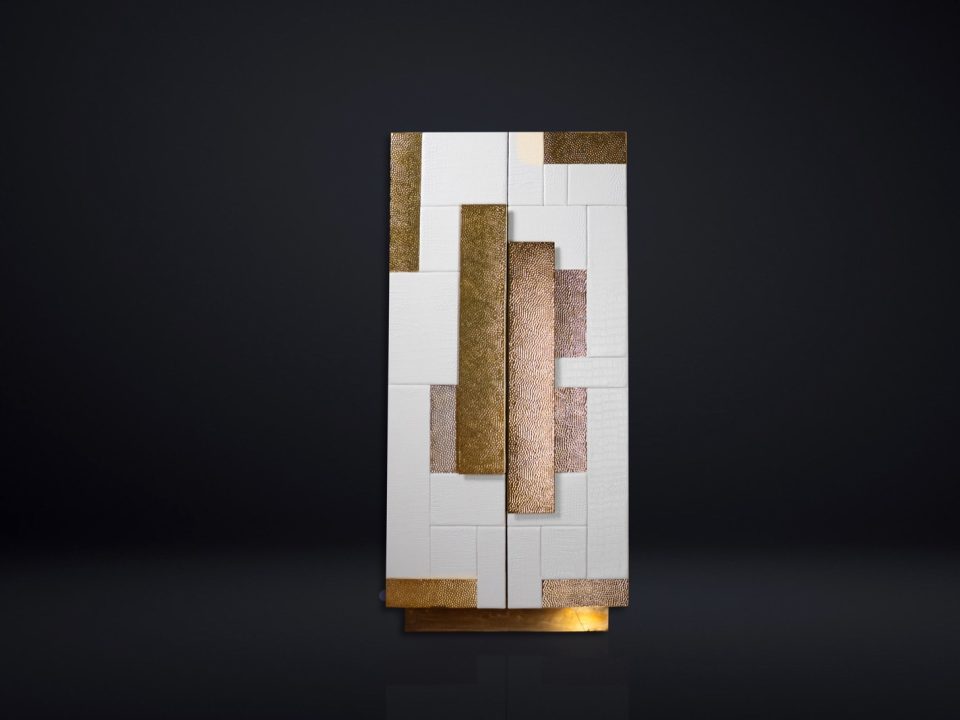
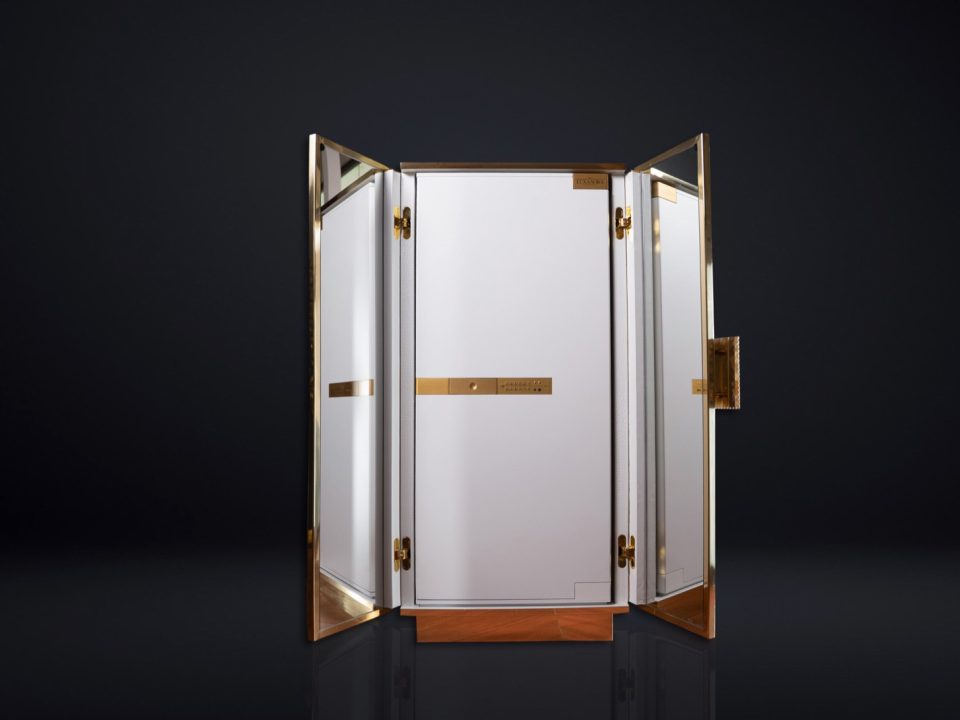
Italian manufacturing has historically thrived in industries where precision and aesthetics intersect, automotive engineering, luxury furniture, horology, and fashion. The same principles now shape the premium safe industry. Italian-inspired security design places more emphasis on proportion, tactile finishes, hidden mechanics, and material narrative than mass-produced safes that are only concerned with reliability. Soft ambient lighting, carbon fiber accents, polished hardwood floors, and leather-lined interiors are becoming standard features of high-end residential vault systems.
This design-first approach is a reflection of evolving consumer behavior. The demand for safes that enhance rather than detract from architectural interiors is rising, according to research on the premium safe market. Security systems are anticipated to serve as both a decorative focal point and a protective infrastructure as luxury homes become more carefully chosen and technologically advanced. As a result, a new class of security products has emerged, one that resembles collectible furniture more than industrial machinery.
The Rise of Bespoke Security Culture
The luxury consumer of 2026 is driven by personalization. From tailored supercars to made-to-measure interiors, exclusivity defines value. The same trend is now influencing the safe industry, especially across the Middle East.
Demand for personalized vault systems and safe locker UAE solutions has grown substantially as wealth concentration increases across the region. Collectors are investing heavily in tailored storage for rare watches, jewelry, confidential documents, and investment-grade assets.
According to market research, watch safes, jewelry safes, and biometric luxury safes are some of the industries with the quickest rates of growth worldwide. Driven by private collectors and ultra-high-net-worth homeowners, the residential segment alone accounts for almost 57% of the income generated by the luxury watch safe market.
This explains why high-end watch safes with built-in climate stabilization, humidity control, and watch winders are becoming more and more popular. Safes are now seen by collectors as preservation rooms intended to safeguard mechanical accuracy and long-term asset worth rather than as storage facilities. Because Italian workmanship emphasizes customisation at every level, including dimensions, materials, lock systems, compartment structures, and even lighting temperature, it easily fits with this philosophy.
Why Heritage Still Matters in a Digital Age
Ironically, as security becomes increasingly digital, heritage has become more valuable. Electronic locks and biometric systems are now standard features across the premium safe market. Europe’s safes and vaults industry reports strong growth in biometric and electronic safe adoption, particularly in luxury residential applications. Yet technology alone no longer guarantees prestige.
Consumers associate heritage craftsmanship with trust, durability, and permanence. Italian engineering carries a psychological value rooted in legacy, the same reason luxury buyers continue to favor Italian-made sports cars, watches, and interiors despite widespread technological standardization.
This emotional connection matters because security purchasing is deeply psychological. Buyers are not simply protecting objects; they are protecting legacy, family wealth, and identity. Italian-inspired safes communicate permanence in a world increasingly dominated by disposable technology.
The UAE’s Expanding Luxury Security Market
One of the most active markets for high-end home security systems is the United Arab Emirates. Growing ownership of collectibles, rising investments in luxury real estate, and heightened awareness of asset security are driving demand for high-end safes and vault systems.
Industry sources claim that the market for safes and vaults is still expanding due to trends in smart home integration, ownership of luxury assets, and increased concerns about burglary. Customers in the Gulf area also anticipate that security systems will complement modern building styles.
For this reason, concealed vault rooms, custom cabinetry integration, biometric authentication, and climate-controlled interiors are now top priorities in the contemporary safe locker UAE market. The safe is no longer concealed for affluent houses in Dubai and around the United Arab Emirates. With the same level of design thought as custom furniture, it is now incorporated into dressing rooms, private offices, and collector lounges as part of the interior narrative.
Beyond Security: The Prospects for High-End Safes
Stronger steel and more intelligent software won’t be the only factors defining premium security in the future. Emotional design, customization, and traditional workmanship will define it.
As the global luxury safe market expands, consumers are moving away from utilitarian security products toward highly curated experiences. Italian craftsmanship continues to dominate this space because it offers something technology alone cannot replicate: cultural permanence.
In a world obsessed with automation and speed, heritage remains a symbol of authenticity. That is why the modern custom safe has evolved beyond protection. It now represents status, taste, and generational legacy. And in premium security design, heritage still holds the master key.