Safety Doors and Windows: Redefining Perimeter Security Without Compromising Design

Italian Artistry in Contemporary Security Design: Why Tradition Continues to Define High-End Safes

From Jewellery to Data: The Evolution of Personal Safes in the Digital Wealth Era
Openness has become an obsession in modern architecture. These days, luxury home design is dominated by expansive glass façades, simple entrances, hidden frames, and seamless indoor-outdoor transitions. However, this architectural development has revealed a paradox at the core of modern life: a home’s perimeter may become more tactically susceptible as it grows more aesthetically open.
Heavy grills, industrial locks, reinforced gates, and mechanical barriers were among the obviously defensive features used for residential protection for many years. However, homeowners now have quite different expectations. They want protection without visual aggression. They want technology without complexity. Most importantly, they want security systems that integrate into the identity of the home itself.
This shift has transformed the global perception of the modern safety door home. Security is no longer treated as a separate utility installed after construction. Instead, it has become an architectural discipline where engineering, aesthetics, materials science, and digital intelligence converge.
The New Era of Perimeter Security
The perimeter remains the most critical vulnerability point in residential security. According to housing security studies, nearly one-third of burglars enter through the front door, while windows remain one of the most exploited access points in residential intrusions. Simultaneously, smart home adoption has accelerated demand for integrated protection systems that combine physical and digital security layers. The global smart home security market, valued at approximately USD 34 billion in 2024, is projected to exceed USD 82 billion by 2030, reflecting how security has evolved from a reactive purchase into a long-term lifestyle investment.
Why Homeowners Are Investing More in Perimeter Security
| Security Driver | Impact on Consumer Demand |
| Rising urban wealth concentration | Increased protection for luxury assets |
| Smart home adoption | Demand for integrated digital access systems |
| Architectural minimalism | Need for concealed security infrastructure |
| Climate resilience concerns | Demand for insulated, reinforced structures |
| Remote work & hybrid living | Increased emphasis on residential safety |
This evolution has elevated the modern house safety door into a multifunctional system rather than a simple barrier.
From Mechanical Barriers to Intelligent Security Systems
Traditional security doors were engineered primarily for resistance. Modern systems, however, are engineered for integration. Today’s premium security doors combine multiple performance layers into a single architectural component:
→Reinforced steel or composite internal cores
→Ballistic-resistant structures
→Acoustic insulation technology
→Thermal efficiency layers
→Fire-resistant engineering
→Biometric authentication
→AI-enabled surveillance integration
→Concealed locking systems
The result is a security product that performs structurally while remaining visually elegant.
Anatomy of a Modern Safety Door
| Component | Traditional Security Doors | Modern Luxury Safety Doors |
| Structure | Heavy Steel Plating | Composite Multi-layer Engineering |
| Aesthetics | Industrial Appearance | Custom Architectural Finishes |
| Access Control | Mechanical Locks | Biometrics & Smart Access |
| Thermal Performance | Minimal Insulation | Advanced Thermal Barriers |
| Sound Insulation | Limited | Acoustic Dampening Systems |
| Smart Integration | None | Full IoT Connectivity |
| User Experience | Utility-focused | Lifestyle-focused |
This transition reflects a larger industry philosophy: invisibility is now considered the highest form of luxury security.
Windows: The Silent Revolution in Residential Defense
If doors define access control, windows define exposure. Architectural trends favor panoramic glass systems and open façades, particularly in luxury residences across urban and coastal regions. Yet glass historically represented weakness in residential security planning. The modern response has been the rise of intelligent safety glazing technologies.
Advanced safety windows now incorporate:
- Laminated anti-shatter glass
- Polycarbonate security layering
- Reinforced hidden frames
- Intrusion-resistant locking systems
- UV-resistant coatings
- Blast mitigation engineering
- Smart glass monitoring sensors
Unlike traditional protective grills, these technologies preserve transparency while dramatically improving structural resistance.
Security Glass Technologies Explained
| Technology | Primary Function | Common Use |
| Laminated Glass | Holds Fragments After Impact | Residential Facades |
| Tempered Glass | Increased Break Resistances | Sliding Doors & Window |
| Polycarbonate Layering | Ballistic Resistance | Luxury Villas |
| Smart Electrochromic Glass | Privacy + Monitoring Integration | High-End Smart Homes |
| Anti-Shatter Film | Delays Forced Entry | Retrofit Applications |
This shift demonstrates how perimeter security is becoming increasingly material-science driven rather than purely mechanical.
The Psychology of Visible Security
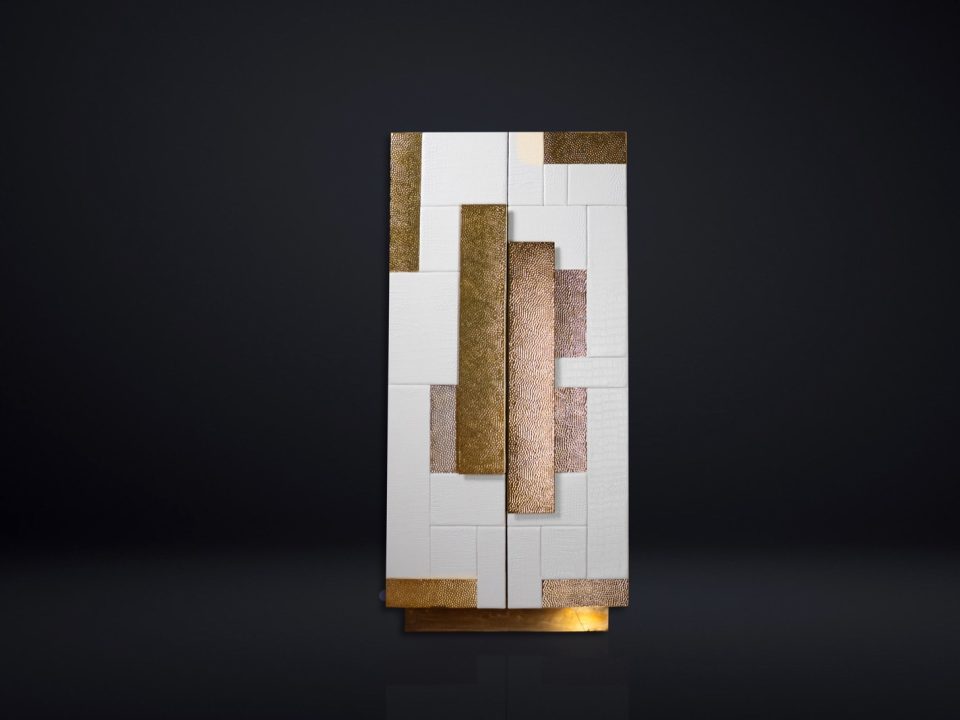
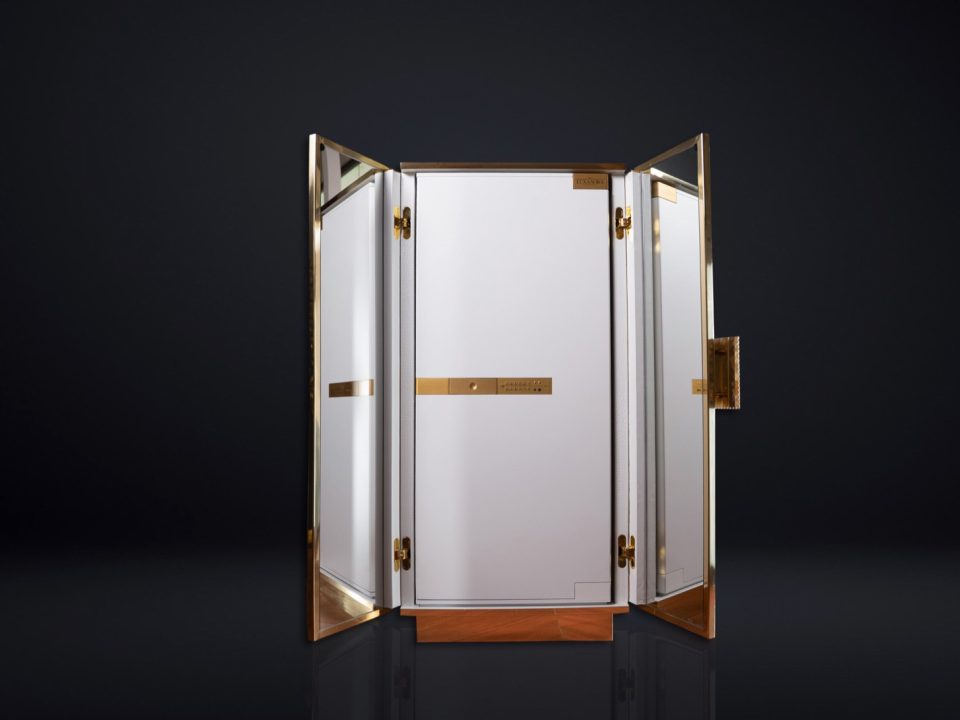
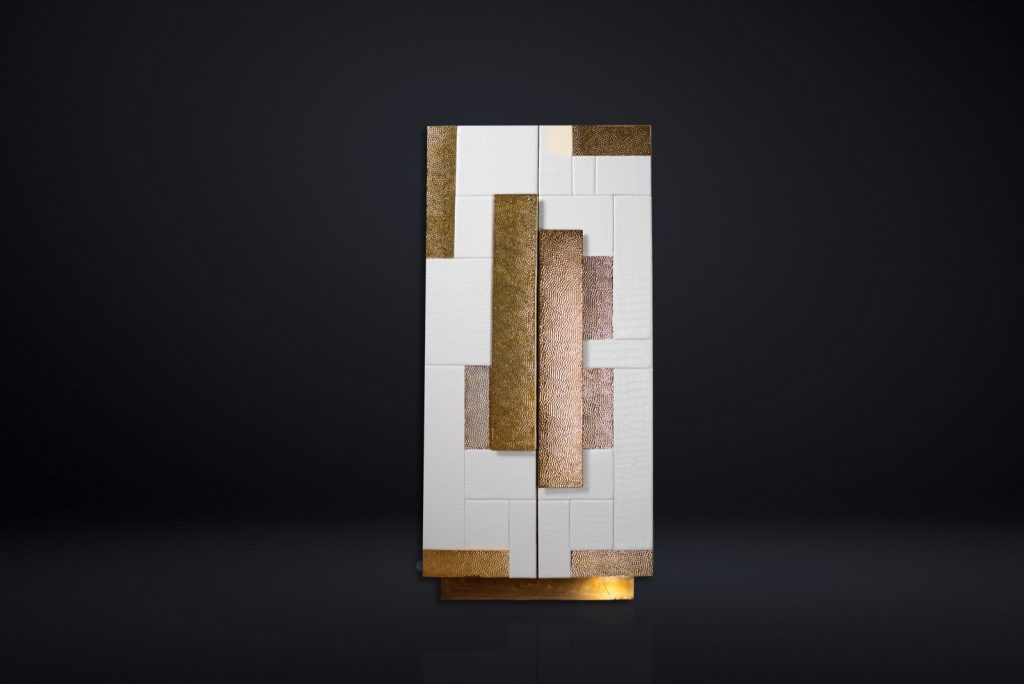
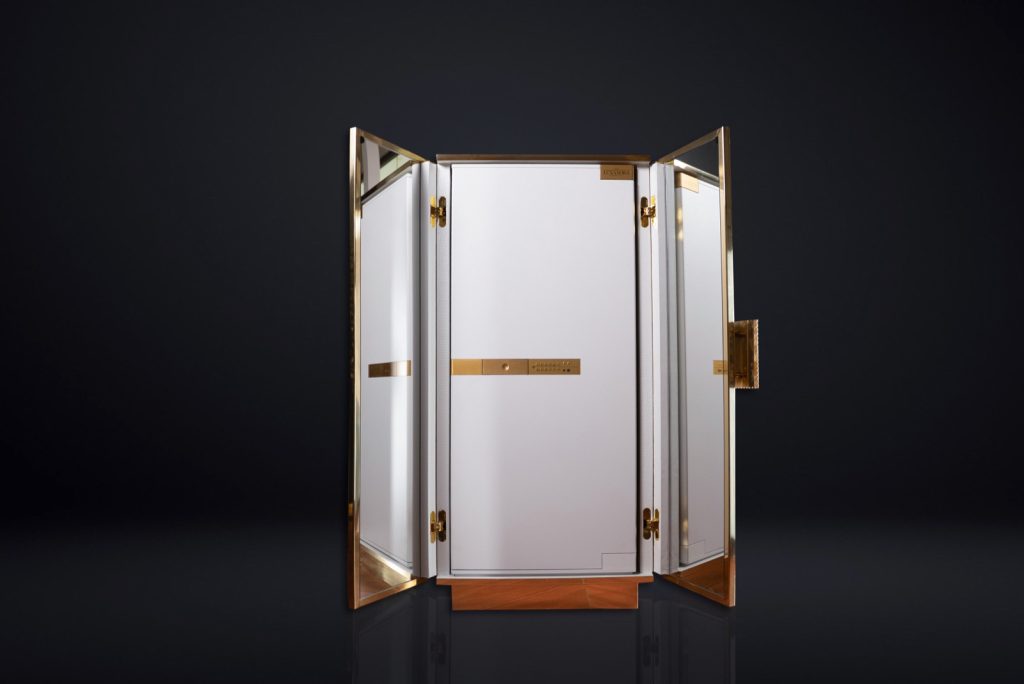
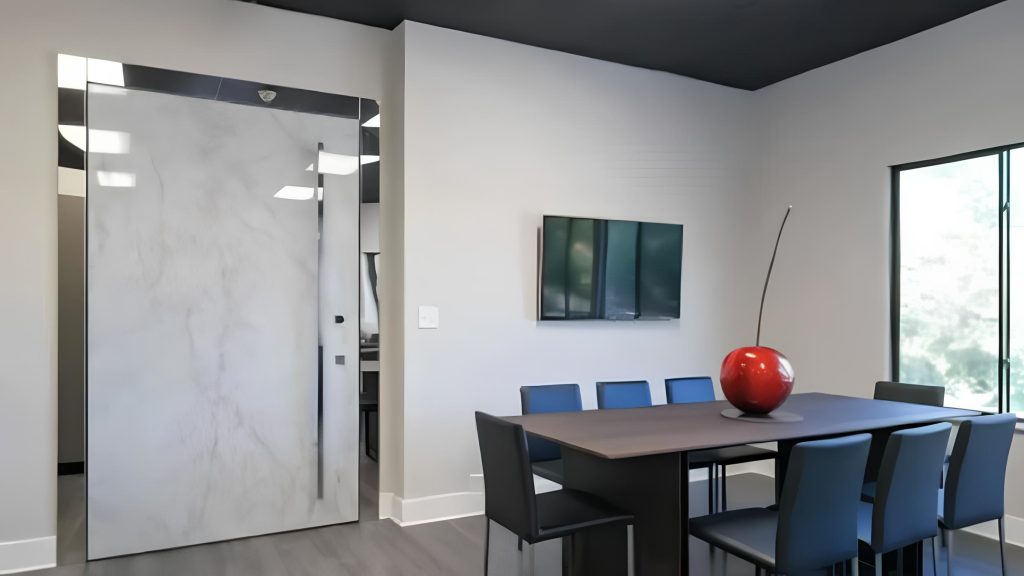
Modern perimeter protection is not solely about resisting intrusion, it is also about deterring it psychologically. Research consistently shows that homes with visible security measures are less likely to be targeted. However, contemporary design culture rejects overtly aggressive security aesthetics. This creates a fascinating paradox: homeowners want deterrence without intimidation. Luxury security manufacturers have responded by creating discreet protection systems where strength is hidden beneath refinement. In premium residential markets such as the UAE and Europe, bespoke perimeter systems are increasingly designed to mirror interior architecture. Wood finishes, matte textures, bronze detailing, concealed hinges, and flush-mounted smart panels allow a safety door home solution to appear as part of the design language rather than a defensive interruption.
Smart Security and the Rise of Digital Perimeters
The perimeter is no longer purely physical. Modern homes increasingly operate as interconnected ecosystems where doors, windows, surveillance systems, lighting, and environmental sensors communicate in real time.
Features Defining Next-Generation Perimeter Systems
- Facial recognition access
- Fingerprint authentication
- Mobile-based remote entry
- AI-powered anomaly detection
- Motion-triggered perimeter lockdown
- Cloud-based access logs
- Geofencing-enabled automation
- Voice assistant integration
Yet with connectivity comes risk.
Cybersecurity experts increasingly warn that poorly secured smart access systems may introduce new vulnerabilities. As a result, high-end manufacturers are now investing heavily in encrypted communication protocols, multi-factor authentication, and decentralized security architecture. The future of perimeter security therefore lies at the intersection of physical engineering and cybersecurity resilience.
Sustainability Meets Security
Another major transformation reshaping the industry is sustainability. Modern perimeter systems are now expected to contribute to environmental efficiency alongside protection.
Premium safety doors and windows increasingly feature:
- Thermal insulation cores
- Energy-efficient glazing
- Solar heat reduction coatings
- Weather-resistant sealing systems
- Recyclable structural materials
In extreme-climate regions such as the Middle East, these features reduce cooling loads while enhancing comfort and long-term operational efficiency. This positions perimeter security not only as a protective investment but also as an environmental and architectural performance asset.
The Future of Residential Perimeter Security
The next generation of security doors and intelligent window systems will likely move beyond passive resistance entirely.
Emerging technologies already under development include:
| Emerging Innovation | Future Impact |
| AI Predictive Threat Detection | Anticipates Suspicious Activity |
| Transparent Armored Materials | Invisible High-Strength Protection |
| Adaptive Locking Systems | Real-Time Risk Response |
| Biometric Behavioral Analysis | Personalized Security Profiling |
| Smart Perimeter Ecosystems | Unified Home Defense Networks |
The homes of the future may ultimately become intelligent protective environments capable of sensing, analyzing, and responding autonomously to threats.
Conclusion
The evolution of perimeter security reflects a larger transformation in how modern society defines safety itself. The contemporary house safety door is no longer a simple entry point. It is a convergence of architecture, material science, digital intelligence, environmental engineering, and lifestyle design. Similarly, modern safety windows no longer represent vulnerabilities but sophisticated structural assets engineered for both openness and resistance.
What makes this shift remarkable is that the most secure homes increasingly look the least defensive. The future of residential protection will not be built around visible fortification. It will be built around invisible intelligence, systems so seamlessly integrated into architecture that security becomes part of the home’s identity rather than an afterthought. In this new era, the true luxury of a modern safety door home is not simply protection. It is protection designed so elegantly that it disappears into the architecture itself.