From Jewellery to Data: The Evolution of Personal Safes in the Digital Wealth Era

Safety Doors and Windows: Redefining Perimeter Security Without Compromising Design

The UAE Safes Market: Accelerating Demand for Luxury Security Solutions in a High-Value Economy
For centuries, safes were made of massive steel boxes intended to safeguard material possessions like cash, jewelry, gold, and critical documents. That definition seems almost antiquated today. Personal safes are changing drastically in a time when wealth is found in both physical vaults and secured servers. The contemporary safe is a hybrid security environment that safeguards both tangible luxury and digital identity; it is no longer merely a container.
Two convergent forces are driving this evolution: the rapid digitization of assets and the tremendous expansion of global wealth. The global market for safes and vaults alone was estimated to be worth USD 5.3 billion in 2025 and is expected to increase gradually at a compound annual growth rate (CAGR) of almost 5.7% to reach USD 8.8 billion by 2034. This indicates that demand is not only persistent but also fundamentally rising across residential and luxury categories.
The Traditional Safe: Jewellery, Legacy, and Physical Wealth
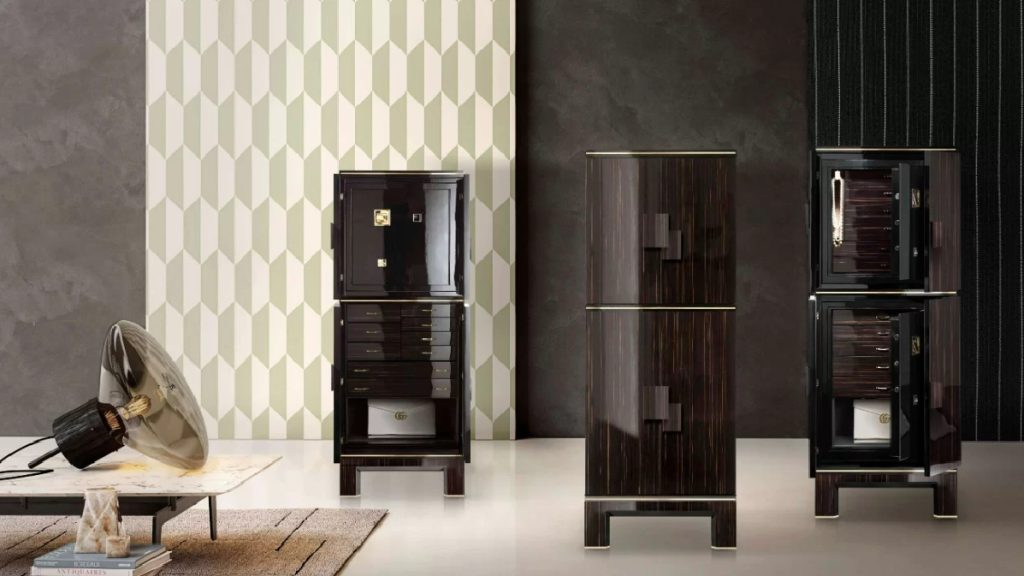
In the past, physical danger reduction served as the foundation for personal safes. Wealth included things that were susceptible to loss, theft, and fire, such as watches, jewellery, family heirlooms, and legal documents. This foundation is still applicable today, especially for wealthy homes. Jewelry-centric storage systems continue to dominate modern home demand, particularly in upscale metropolitan buildings. Expectations have also changed as a result of the popularity of high-end interiors; safes are now integrated furniture-grade installations rather than concealed industrial boxes.
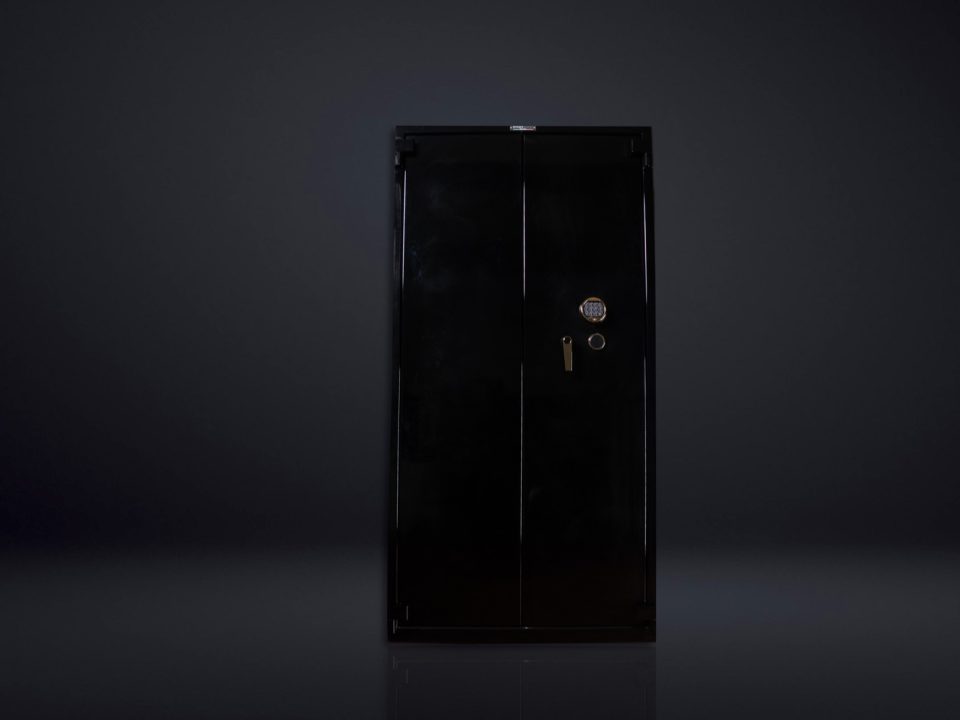
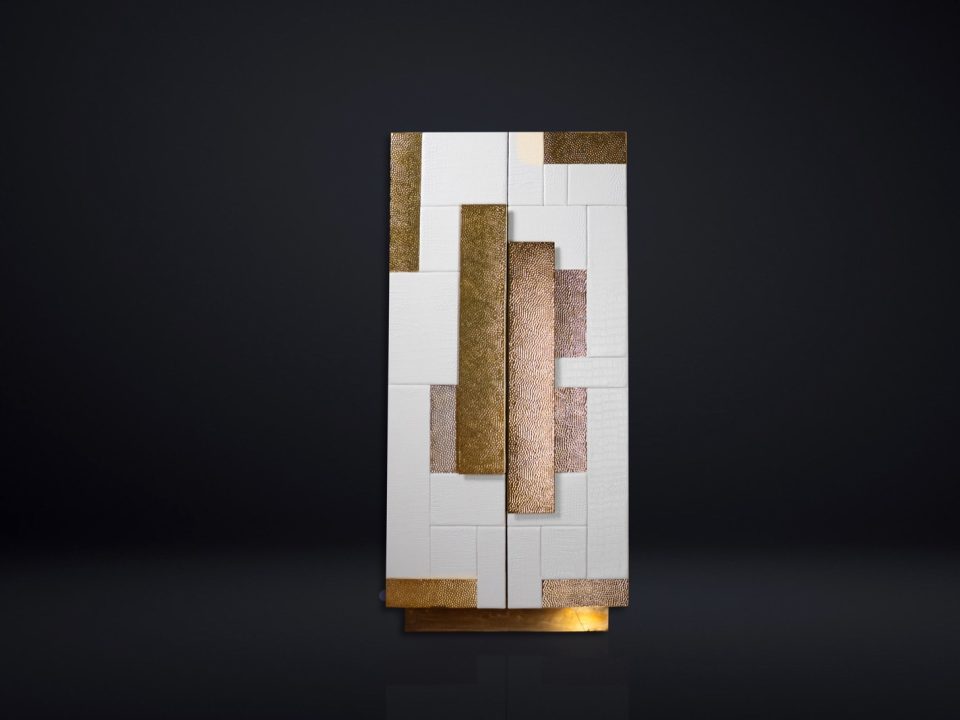
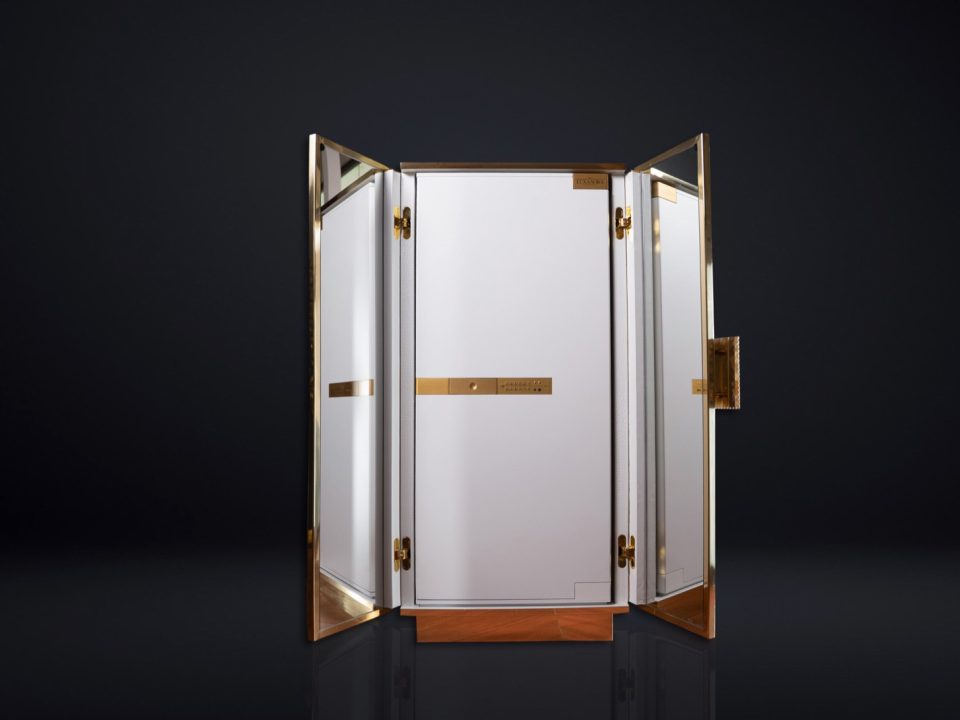
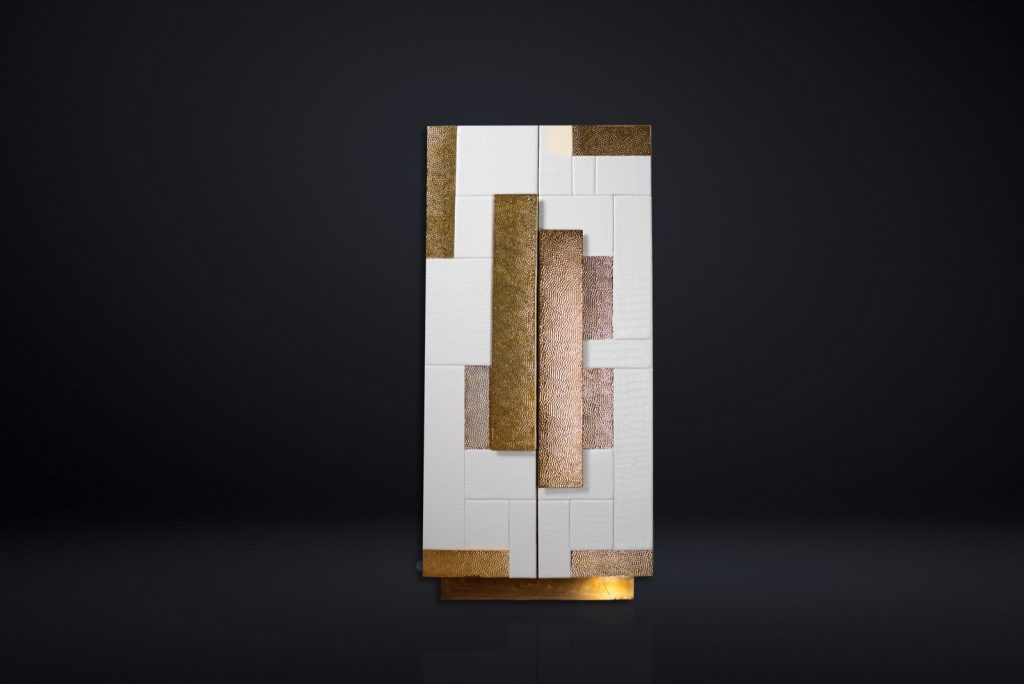
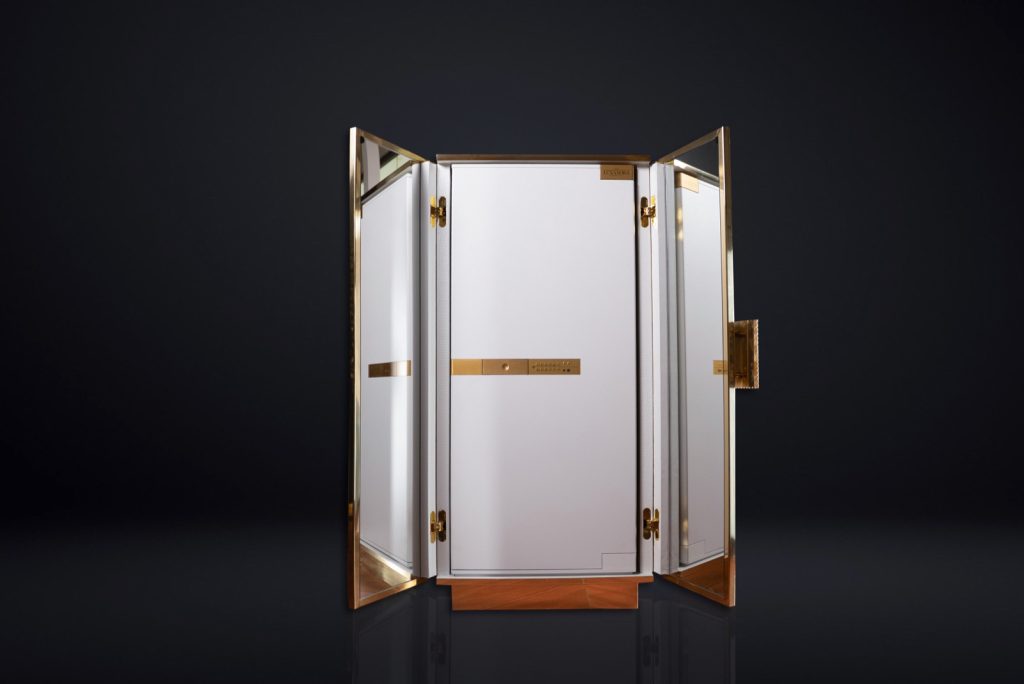
This is where design-driven security solutions like jewellery safes with drawers and luxury jewellery safes for homes have developed. Instead of storing valuables, these safes’ modular interiors, velvet-lined sections, and multi-layer locking systems let users arrange watches, rings, and necklaces as carefully chosen collections. In luxury real estate markets, particularly in cities with dense high-net-worth populations, safes are increasingly being embedded into wardrobes, walk-in closets, and private dressing rooms—blurring the line between security and interior design.
The Shift: From Physical Assets to Digital Wealth
The real disruption, however, is not aesthetic, it is conceptual.
Wealth today is increasingly intangible:
- Crypto wallets and blockchain assets
- Tokenised investments
- Digital banking credentials
- Encrypted identity documents
- Intellectual property stored in cloud ecosystems
This transformation has redefined what “security” means. A safe is no longer just about resisting physical force; it must also resist cyber intrusion, identity theft, and data compromise. Industry analysis reflects this shift clearly: rising digitalisation of assets and increasing cyber-physical threats are now major drivers of global safe adoption. As a result, manufacturers are developing smart safes equipped with biometric authentication, remote access logs, IoT connectivity, and tamper-alert systems, turning safes into active security nodes rather than passive containers.
The Rise of the Smart Luxury Safe
The luxury segment has been one of the fastest adopters of this hybrid model. The global luxury jewelry safe market alone was valued at approximately USD 1.2 billion in 2024, projected to nearly double by 2033 as demand accelerates among affluent households and collectors.
Modern premium safes now include:
- Biometric fingerprint and facial recognition locks
- Climate control for watches and delicate jewellery
- GPS-based tamper alerts
- Remote locking via mobile apps
- Internal LED display systems for inventory tracking
In essence, the safe has become a “private vault ecosystem,” capable of managing both physical and digital layers of wealth. This is especially relevant in regions with strong luxury consumption patterns and high-value asset concentration, such as the Middle East, where demand for safe locker UAE solutions continues to expand alongside luxury real estate growth.
UAE and the New Security Aesthetic
The UAE represents a particularly interesting microcosm of this transformation. With its rapid accumulation of wealth, luxury property development, and tech-forward lifestyle adoption, personal security expectations are significantly elevated.
In high-end residences, safes are increasingly:
- Concealed behind architectural panels
- Integrated into smart home systems
- Designed as bespoke furniture pieces
- Custom-built for jewellery and digital asset storage
The term safe locker UAE is no longer associated only with banks or commercial storage—it now represents a lifestyle category tied to privacy, exclusivity, and digital-era asset protection.
Engineering the Future: When Safes Become Intelligent Systems
The next generation of personal safes is moving beyond locking mechanisms into intelligent security ecosystems. These systems are shaped by three core innovations:
-
Cyber-Physical Integration
Safes now connect with home networks, enabling real-time alerts, access logs, and remote locking systems.
-
AI-Based Threat Detection
Advanced models can detect forced entry patterns, vibration anomalies, and repeated access attempts.
-
Asset Intelligence
Instead of simply storing items, safes are evolving into tracking systems that catalogue jewellery, documents, and digital devices.
The implication is profound: the safe is no longer a static object but a responsive security agent.
The Psychological Shift: Security as a Status Symbol
Beyond functionality, safes are becoming cultural artifacts. In the past, jewelry was a symbol of wealth; today, the system that safeguards it also conveys status. Discretion, technological sophistication, and control over tangible and digital wealth are all communicated by a luxury safe with biometric entry and custom interiors. This reflects a larger shift in the purchasing of premium goods: security is now curated rather than concealed.
Conclusion: The Safe Has Become a Wealth Interface
A more profound change in society is seen in the transition from jewelry safes to digital asset vaults. These days, wealth is something you manage, safeguard, and constantly verify. The personal safe has evolved into a meeting place of luxury design, cybersecurity, and workmanship, from jewelry safes with drawers for carefully chosen physical collections to intelligent vault systems protecting digital identities. In the digital wealth era, the question is no longer “What do you store?” It is “What does your safe protect about you?” And increasingly, the answer is everything, from gold to data.