Jewellery Vault Design for Retail vs Residential: Two Completely Different Security Philosophies

Inside the Mind of a UAE Investor: Why Physical Asset Security is Making a Comeback

Custom Watch Winders and Safes: The Overlooked Infrastructure of Luxury Timepiece Ownership

At first glance, a vault is a vault, a reinforced enclosure designed to protect high-value assets. Beneath the steel, sensors, and locking systems, however, is a more profound reality: different vaults are constructed according to different principles. The difference between private homes and retail jewelry settings is the clearest example of this. There is more to the discrepancy than just technical. It reflects essentially distinct threat models and is behavioral, operational, and psychological.
The Fundamental Difference: Control vs. Exposure
Retail jewelry settings are constantly exposed. A dynamic risk environment is produced by high foot traffic, personnel access, transactional turnover, and public visibility. In contrast, residential situations are characterized by predictability and restricted access. Everything is shaped by this divide, including access protocols and architecture.
Commercial environments account for nearly 60% of vault demand globally, driven by the need to secure high-value inventory and cash flow under operational pressure. Meanwhile, residential demand, though smaller, is growing rapidly as private wealth increases and homeowners prioritize asset protection.
In essence:
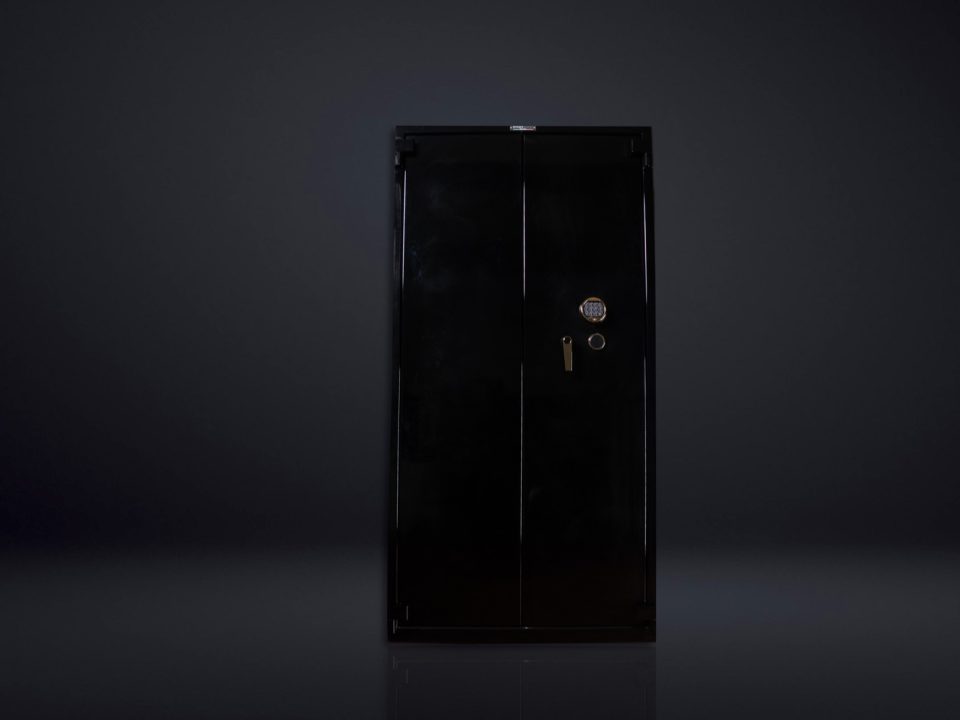
- Retail vaults are designed to withstand attack under visibility
- Residential vaults are designed to avoid detection altogether
- Retail Jewellery Vaults: Systems Built for Risk Management
In retail, security is not about hiding; it is about managing risk in real time.
-
Multi-User Access and Accountability
Store managers, security personnel, and auditors must all be accommodated in retail vaults, frequently on the same day. This requires:
Access control based on roles
Transaction records and audit trails
Time-delay locks to prevent compulsion
In high-value retail ecosystems, these elements are essential for compliance and are not optional.
-
Integration with a More Comprehensive Security System
Rarely do retail jewellery vaults stand alone. They are a part of a bigger system that consists of:
- CCTV monitoring
- Motion detectors and alarm systems
- Systems for remote monitoring and alerting
IoT-based monitoring is becoming more and more integrated into modern vaults, enabling real-time threat detection and response.
-
Efficiency and Throughput
Retail systems have to strike a balance between speed and security, unlike home vaults. Demand for daily operations:
- Frequent opening and closing cycles
- Secure deposit mechanisms (drop safes)
- Segmented storage for inventory categorization
Cash management safes alone account for nearly 30% of the market, highlighting the importance of operational efficiency in commercial settings.
-
Structural Reinforcement and Attack Resistance
Retail vaults are engineered to resist targeted, high-intensity attacks:
- Drill- and torch-resistant materials
- Multi-layered steel and composite barriers
- Reinforced vault doors with time locks
These systems assume a worst-case scenario: a coordinated, deliberate breach attempt.
Residential Jewellery Vaults: Systems Built for Discretion
In contrast, residential vault design is driven by a completely different premise: the best attack is the one that never happens.
-
Concealment Over Confrontation
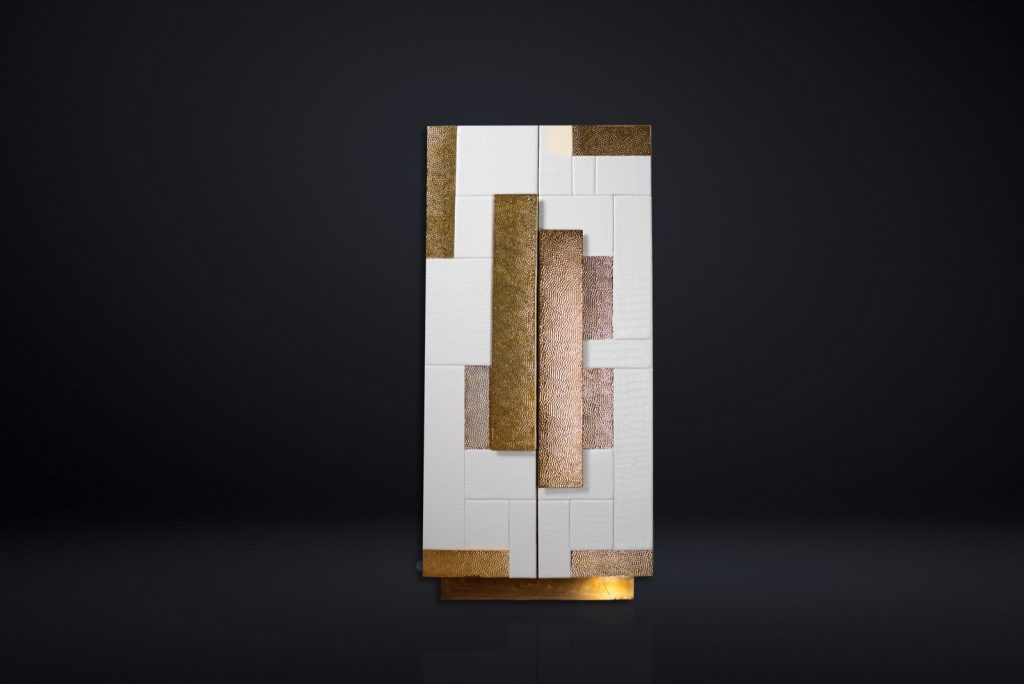
A residential safe box is often hidden, integrated into walls, floors, or furniture. The goal is not to resist prolonged attack, but to:
- Avoid detection
- Minimize targeting risk
- Reduce exposure to opportunistic theft
Wall-mounted and discreet vaults are increasingly popular among urban homeowners seeking invisibility over intimidation.
-
Limited Access, Maximum Control
Residential vaults usually service one or two customers, in contrast to retail systems. This makes it possible for:
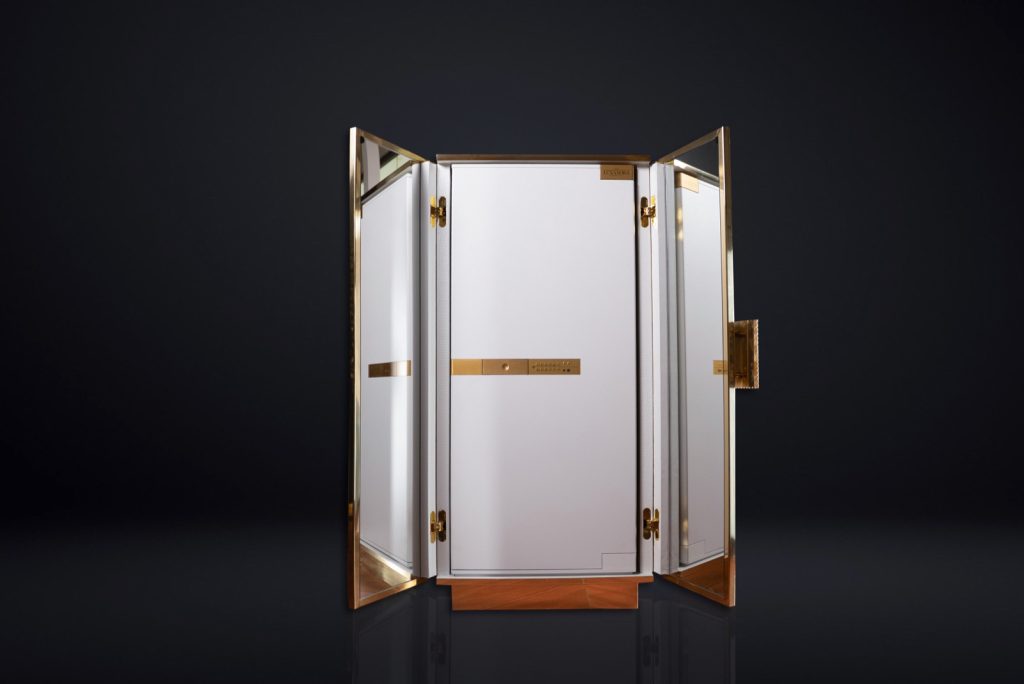
- Simplified methods of access (digital locks or biometrics)
- Decreased requirement for audit trails
- Quicker, more seamless access
Convenience and increased security are driving the growing popularity of biometric safes.
-
Prioritising Environmental Protection
Threats to homeowners go beyond theft. Humidity, fire, and unintentional damage are all equally important.
Residential vaults frequently highlight:
- Fire resistance (albeit not always completely fireproof)
- Climate control for watches and jewellery
- Defence against exposure to water or the environment
This illustrates a more expansive concept of risk that goes beyond criminal intent.
-
Lifestyle Fit and Aesthetic Integration
Residential systems must complement home design and lifestyle, in contrast to retail vaults, which are solely functional.
Modern vaults are:
- Compact and space-efficient
- Quiet in operation
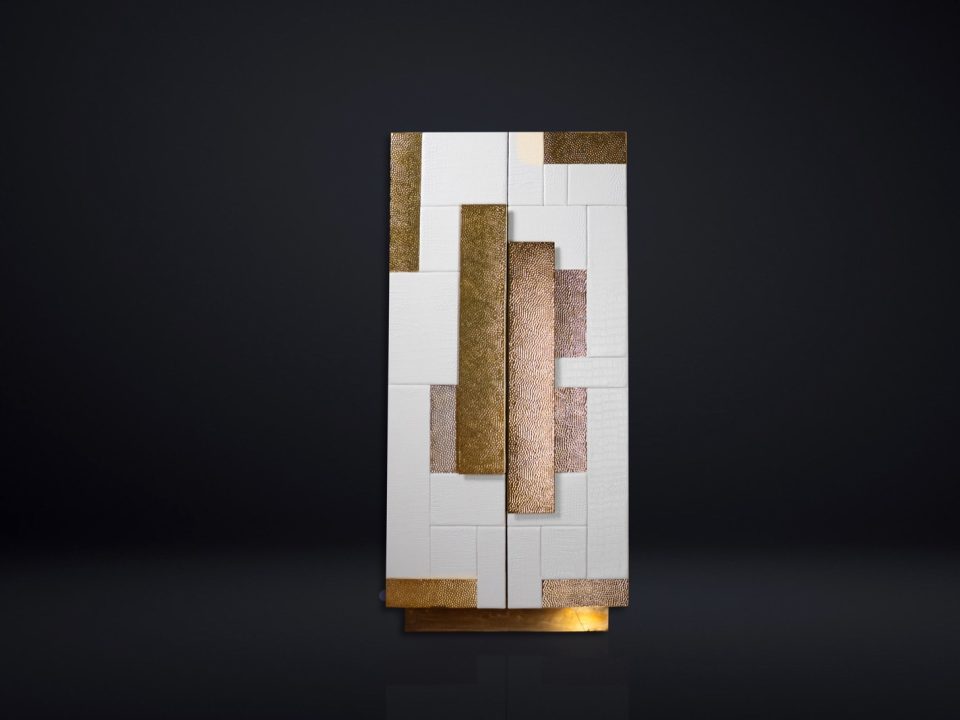
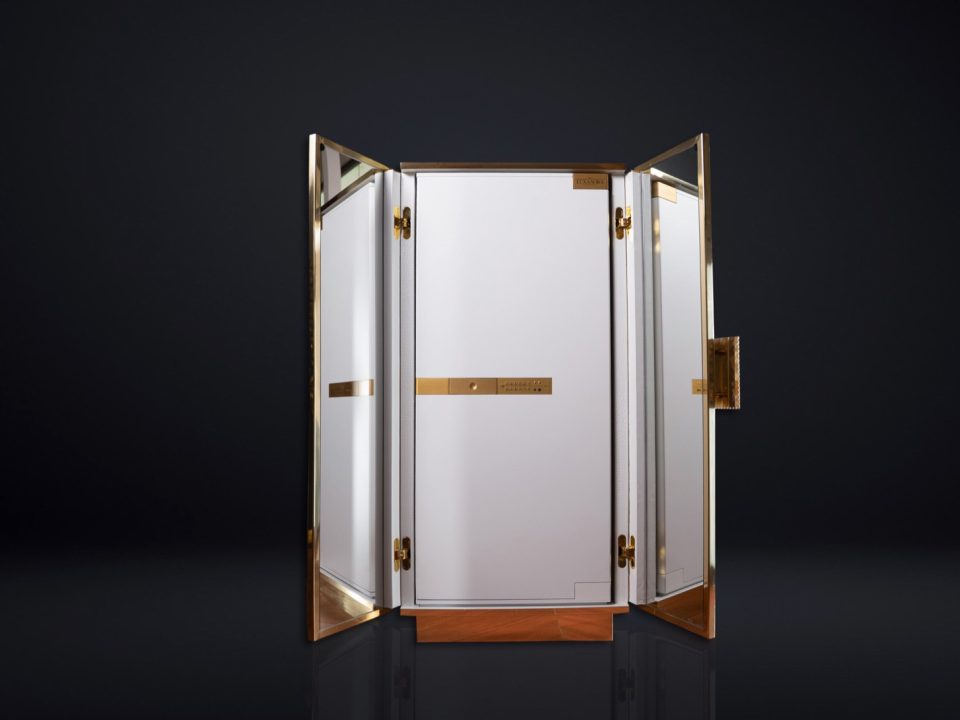
- Visually discreet or even decorative
Security, in this context, becomes part of the living environment—not separate from it.
The Convergence: Where the Two Worlds Meet
Despite their differences, the line between retail and residential vault design is beginning to blur. High-net-worth individuals in markets like the UAE are adopting commercial-grade security features at home, including:
- Multi-layer authentication
- Modular vault rooms
- Systems for integrated surveillance
Simultaneously, user-centric design aspects are being incorporated into retail spaces to improve the efficiency and intuitiveness of systems. This convergence is being driven by a shared reality: the value of stored assets is increasing along with the risks. The global market for safes and vaults reflects this shift and is anticipated to progressively grow as more individuals and businesses invest in state-of-the-art security solutions.
The Philosophical Difference That Remains Significant
Nevertheless, despite technological overlap, the conceptual difference endures:
- Retail vaults operate on deterrence and resilience
- Residential vaults operate on discretion and control
- One assumes visibility. The other depends on invisibility.
Conclusion: Security Is Contextual, Not Universal
The notion that a single vault design suits all is flawed. Security is context-driven. For retailers, jewelry vaults should serve as operational fortresses amid constant access and regulatory scrutiny. For homeowners, safes must act as silent guardians, discreet and seamlessly integrated. In 2026, effective security isn’t just about strength; it’s about aligning with the risks faced. Ultimately, the key question is what type of risk your vault is meant to withstand.