The UAE Safes Market: Accelerating Demand for Luxury Security Solutions in a High-Value Economy

From Jewellery to Data: The Evolution of Personal Safes in the Digital Wealth Era

High-Value Lifestyle Assets and Their Unique Protection Needs: Wine, Art, Collectible Cars, and Digital Assets
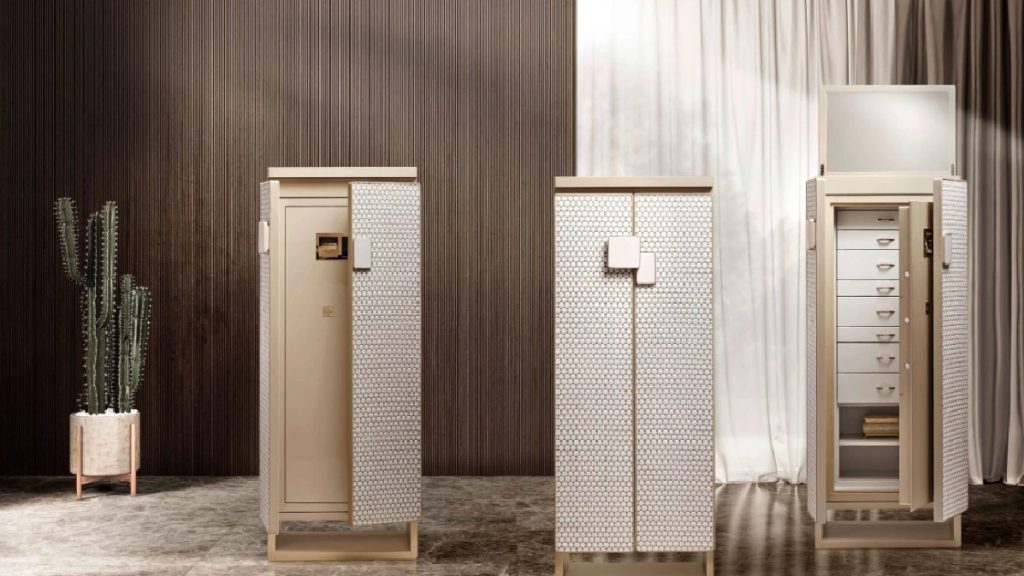
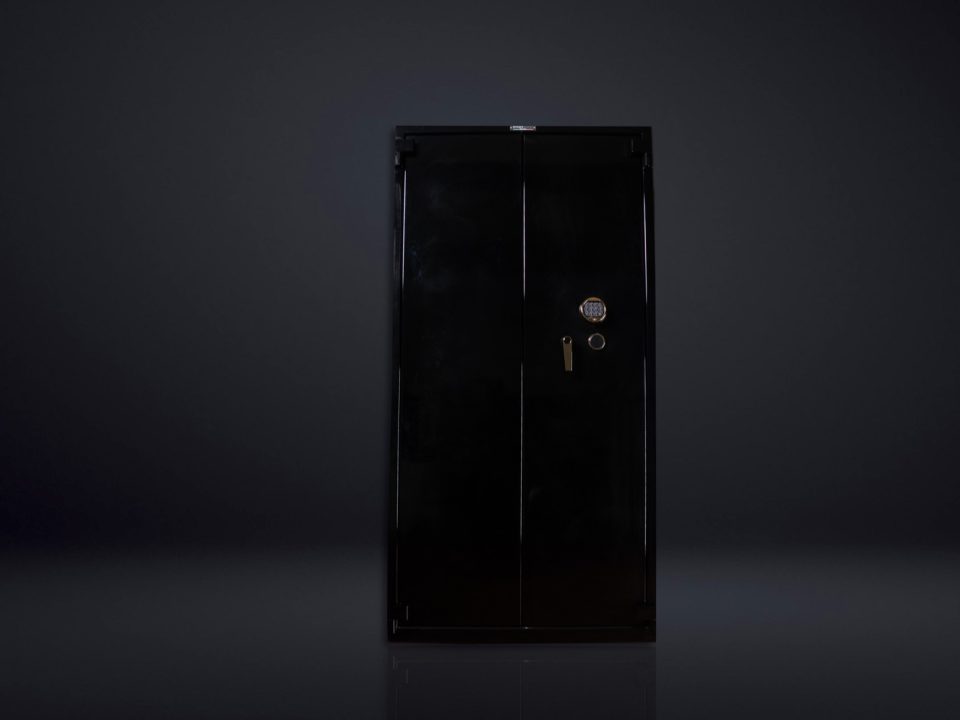
Safes have subtly changed from being merely useful steel boxes to being elegant lifestyle pieces in the worldwide security market. This shift is most noticeable in the United Arab Emirates, where demand is being reshaped by growing wealth concentration, the growth of luxury real estate, and increased awareness of asset protection. The modern safe locker market in the United Arab Emirates now focuses on identification, design, and digital intelligence in addition to protection. In this regard, the rise of the luxury-focused safe locker Dubai market indicates a more general change: security has evolved into a high-end lifestyle category.
Market Overview: Security Meets Luxury Economics
The global safes and vaults industry has been steadily expanding, with industry analyses generally estimating a mid-single-digit compound annual growth rate (CAGR) between 4% and 6% over the next decade, driven by rising high-net-worth individuals (HNWIs), financial digitization risks, and urban property development. However, because of its distinct economic structure, the UAE market is surpassing this baseline trajectory.
Due to worldwide movement trends, tax-free incentives, and real estate inflows, Dubai alone continues to draw thousands of new millionaires each year. The UAE is one of the top global locations for HNWIs, according to regional wealth movement patterns published by private wealth consultancies, which directly correlates with the demand for cutting-edge security infrastructure like the custom safe category. Safes are no longer standardized goods in this setting. Rather, purchasing decisions are being defined by interior customisation, fire resistance, biometric access, and specialized engineering.
The Luxury Shift: From Utility to Status Symbol
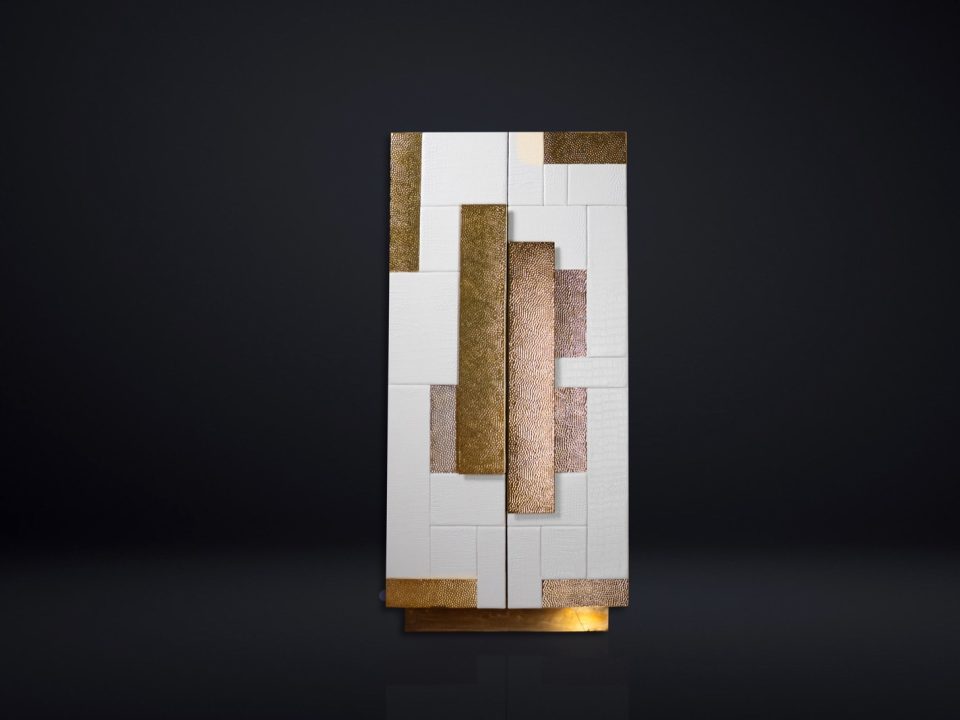
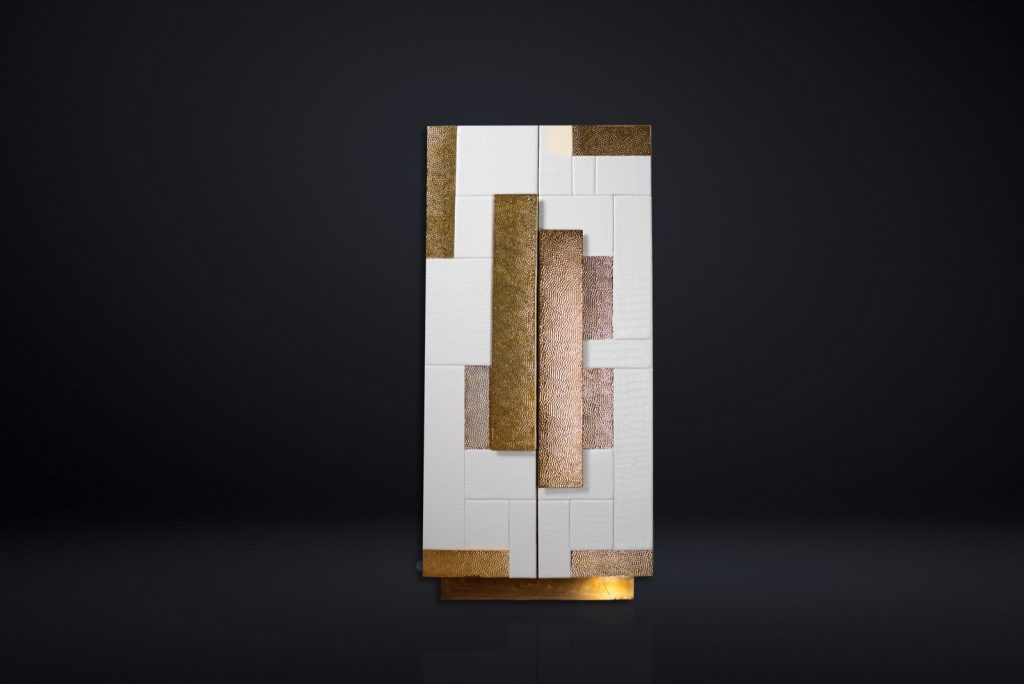
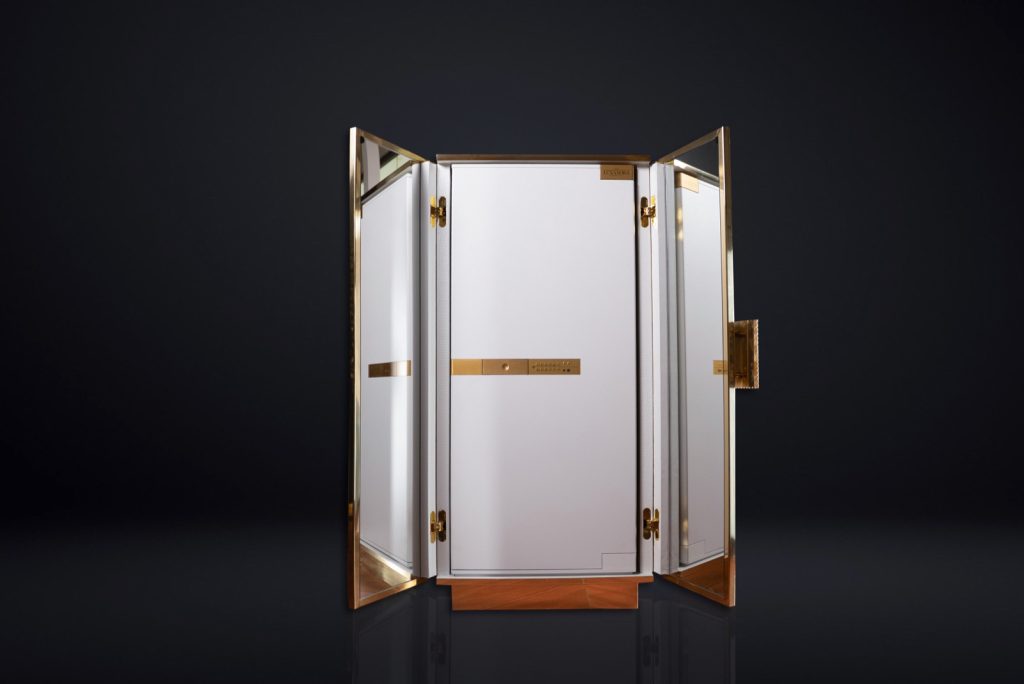
Traditionally, safes were hidden utility objects. Today, in Dubai’s luxury villas, penthouses, and private offices, safes are increasingly designed as visible architectural elements. This is particularly evident in demand for high-end custom safe installations integrated into walk-in closets, private vault rooms, and branded interior designs.
Luxury consumers in the UAE are not just asking “how secure is it?” but also:
How does it integrate with marble interiors and smart home systems?
Is it possible to hide it with custom furniture?
Does it showcase craftsmanship and exclusivity?
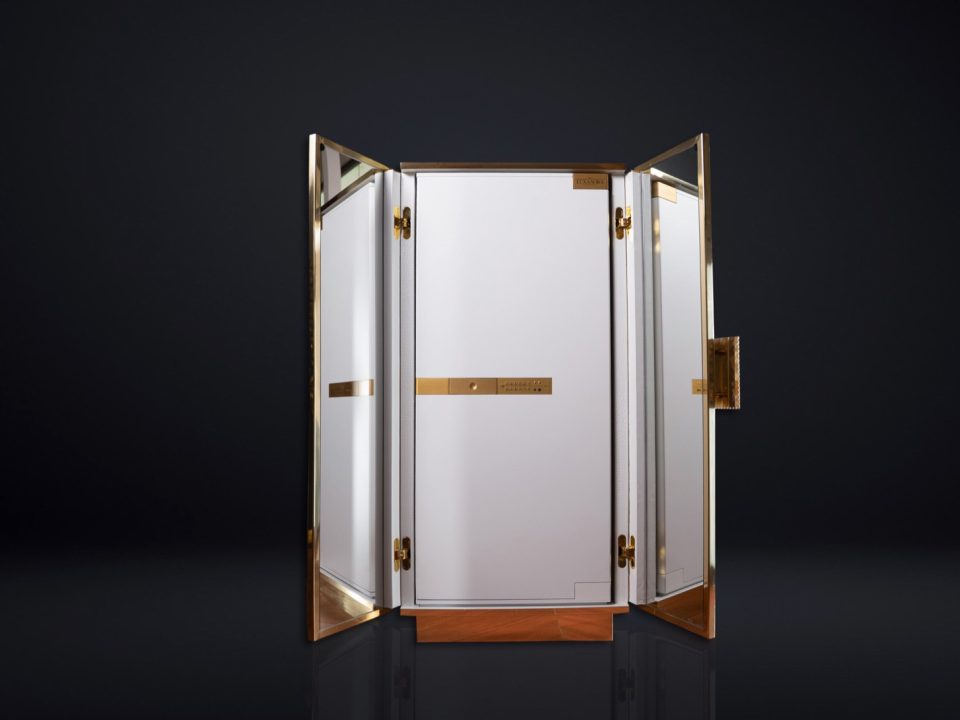
Manufacturers’ tactics are changing as a result of this transition. Gold-plated interiors, watch winders, humidity-controlled sections for high-end handbags, and biometric multi-user access systems are now among the premium options available in the safe locker Dubai market. Safes become carefully chosen lifestyle assets as a result of the fusion of security engineering and opulent interior design.
Digital Revolution: The Emergence of Intelligent Safes
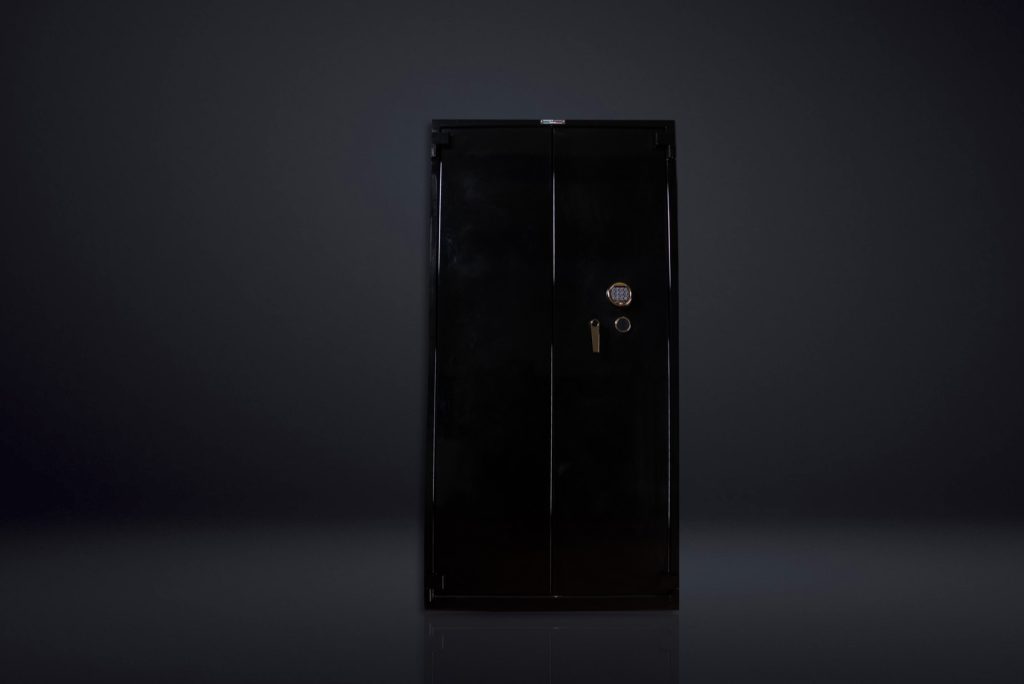
The quick uptake of intelligent locking systems is one of the most disruptive trends in the UAE security business. The growth of the digital safe Dubai category is indicative of the region’s wider use of smart homes.
Modern digital safes now feature:
- Fingerprint and facial recognition authentication
- Mobile app-based remote locking/unlocking
- Cloud-based access logs for audit trails
- AI-powered intrusion alerts
- Integration with smart home ecosystems (IoT platforms)
This digitization aligns with Dubai’s broader “smart city” vision, where residential infrastructure is increasingly connected and automated. From a consumer perspective, digital safes reduce dependency on physical keys, historically one of the weakest security links. From a manufacturer’s standpoint, it opens recurring revenue models through software updates, security subscriptions, and remote diagnostics.
UAE-Specific Drivers: Wealth Density and Risk Awareness
Several structural factors uniquely accelerate the safe locker UAE market:
-
High Wealth Concentration
The UAE hosts one of the highest densities of millionaires per capita in the region, increasing demand for secure storage of cash, jewelry, luxury watches, and important documents.
-
Real Estate Boom in Luxury Segment
Ultra-luxury properties in Dubai and Abu Dhabi increasingly include dedicated vault rooms as a standard feature rather than an upgrade.
-
Cultural Preference for Physical Asset Storage
Despite global digitization, physical asset ownership remains strong in the region, sustaining demand for high-capacity safes.
-
Security Conscious Market Psychology
Geopolitical awareness and global mobility of assets contribute to a proactive security mindset, particularly among expatriates and business owners.
Commercial and Institutional Demand Growth
Beyond residential usage, commercial adoption is expanding rapidly. Jewelry retailers, gold traders, banks, and boutique luxury stores are investing in advanced vault systems. The UAE’s position as a global gold trading hub further strengthens this demand.
In retail environments, safes are evolving into high-security, aesthetically integrated vault displays. Meanwhile, financial institutions are upgrading legacy vault infrastructure to meet modern compliance, insurance, and cybersecurity-linked physical security standards. This dual demand, luxury residential and high-security commercial, creates a resilient and diversified market structure.
The Future Outlook: Hyper-Personalized Security Ecosystems
The future of the UAE safes market is expected to move toward hyper-personalization. The next generation of custom safe solutions will likely include:
→AI-driven behavioral access patterns (learning user habits)
→Blockchain-based access authentication logs
→Modular vault systems that expand with asset growth
→Climate-adaptive interiors for sensitive luxury goods
→Fully concealed architectural integration
As wealth continues to concentrate in urban luxury hubs like Dubai Marina, Palm Jumeirah, and Downtown Dubai, demand for invisible yet intelligent security infrastructure will intensify. Market analysts expect continued above-average growth in premium safe segments, particularly those combining digital intelligence with luxury craftsmanship.
Conclusion: Security as a Luxury Language
The UAE safes market is no longer defined by steel thickness or lock complexity alone. It is defined by experience, exclusivity, and intelligence. The rise of the safe locker Dubai ecosystem and the expansion of digital safe Dubai technology reflect a broader cultural shift: security is now a form of luxury expression. In this evolving landscape, safes are not hidden in walls; they are embedded in lifestyles. The future belongs to manufacturers who understand that protection is no longer just physical. In the UAE, it is personal, digital, and undeniably luxurious.